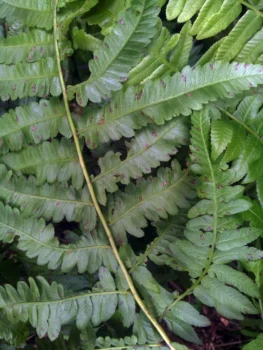
Vegetable Fern: A Tropical Beauty for Shaded Gardens
Meet the vegetable fern (Diplazium esculentum), a striking tropical fern that’s been quietly making itself at home in Florida and Hawaii gardens. While it might not be a native species, this lush green beauty has some interesting qualities that make it worth knowing about – whether you’re considering adding it to your landscape or simply trying to identify what’s growing in your shaded garden corners.
What Exactly Is a Vegetable Fern?
Don’t let the name fool you – while Diplazium esculentum is indeed edible in its native range (hence vegetable fern), it’s primarily grown as an ornamental plant in the United States. This perennial fern is technically classified as a forb, meaning it’s a non-woody vascular plant that dies back to ground level each year, though in warm climates it may stay green year-round.
Originally hailing from tropical Asia and the Pacific, this non-native species has established itself in Florida and Hawaii, where it reproduces on its own without human intervention. You might also see it listed under its synonym, Athyrium esculentum.
Where You’ll Find It Growing
The vegetable fern has made itself comfortable in two U.S. locations: Florida and Hawaii. In both regions, it thrives in the warm, humid conditions that remind it of home. It’s particularly fond of wetland areas, though it’s adaptable enough to grow in drier locations too – botanists classify it as facultative wetland, meaning it usually prefers wet feet but won’t turn its nose up at slightly drier conditions.
- Species observed
- No observations
Identifying Vegetable Fern
Spotting a vegetable fern is fairly straightforward once you know what to look for:
- Large, lush green fronds that create an elegant, arching growth pattern
- Tropical appearance with deeply divided leaflets
- Tends to form colonies in shaded, moist areas
- Can reach substantial size in ideal conditions
- Thrives in USDA hardiness zones 9-11
Is It Beneficial for Your Garden?
The vegetable fern can certainly add tropical flair to the right garden setting. Its lush foliage creates excellent texture contrast in shade gardens and woodland landscapes. It’s particularly useful for:
- Adding understory interest in tropical-style gardens
- Filling in difficult shaded areas where other plants struggle
- Creating naturalized woodland effects
- Providing year-round greenery in warm climates
However, as a fern, it doesn’t produce flowers, so it won’t directly benefit pollinators like bees and butterflies. Its wildlife benefits are also limited compared to native plants that co-evolved with local ecosystems.
Growing Conditions and Care
If you’re in zones 9-11 and considering growing vegetable fern, here’s what it needs to thrive:
- Light: Partial to full shade – direct sunlight will scorch those beautiful fronds
- Soil: Moist, well-draining soil rich in organic matter
- Water: Consistent moisture is key – this fern doesn’t like to dry out
- Humidity: Loves humid conditions (perfect for Florida and Hawaii!)
- Temperature: Thrives in warm, tropical to subtropical climates
Should You Plant It?
While vegetable fern isn’t invasive or noxious, it’s worth considering native alternatives that provide similar aesthetic benefits while supporting local wildlife. Native ferns like Southern shield fern (Thelypteris kunthii) in Florida or Hawaiian tree fern species in Hawaii offer comparable beauty while supporting the ecosystems they evolved with.
If you already have vegetable fern growing on your property, there’s no urgent need to remove it – just keep an eye on its spread and consider gradually transitioning to native alternatives as you redesign garden areas.
The vegetable fern is a perfect example of how non-native plants can be beautiful without being problematic. While native plants should always be your first choice for supporting local ecosystems, understanding and appreciating all the green residents in your garden – native or not – helps you become a more informed and effective gardener.