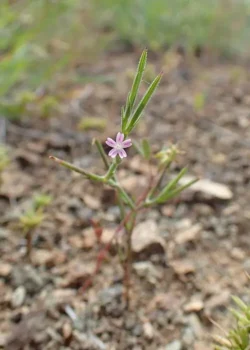
Velezia: A Mysterious Annual Forb with Limited Garden Appeal
If you’ve stumbled across the name velezia (Velezia rigida) in your plant research, you’ve discovered one of the more obscure members of the gardening world. This annual forb presents an interesting case study in how some plants remain largely under the radar, even among dedicated gardeners and native plant enthusiasts.
What Exactly Is Velezia?
Velezia rigida is an annual forb, meaning it’s a non-woody plant that completes its entire life cycle in a single growing season. As a forb, it lacks the woody tissue you’d find in shrubs or trees, instead producing soft, herbaceous growth that dies back each year. The plant produces perennating buds at or below ground level, which is typical for plants in this category.
Native Status and Geographic Distribution
Here’s where things get interesting (and perhaps a bit concerning for native plant purists): velezia is not native to North America. This species has been introduced and now reproduces spontaneously in the wild without human intervention, establishing persistent populations. Currently, it’s documented as growing in California, where it has managed to naturalize.
- Species observed
- No observations
Should You Plant Velezia in Your Garden?
This is where the mystery deepens. With limited information available about velezia’s garden performance, aesthetic appeal, or ecological impact, it’s challenging to make a strong case either for or against including it in your landscape. Here’s what we can consider:
The Unknowns
- Invasive potential (currently unknown)
- Wildlife and pollinator benefits
- Specific growing requirements
- Mature size and garden performance
- Aesthetic qualities
What We Do Know
- It’s an annual, so any gardening experiments are temporary
- As a non-native species, it won’t support local ecosystems like native alternatives
- It has naturalized in California, suggesting some adaptability
Consider Native Alternatives Instead
Given the limited information about velezia and its non-native status, you might want to explore native annual forbs that offer known benefits to your local ecosystem. Depending on your region, consider these native alternatives:
- Native wildflowers that support local pollinators
- Indigenous annual herbs with documented wildlife value
- Regional native forbs recommended by your local native plant society
The Bottom Line on Velezia
Velezia rigida represents one of those plant mysteries that occasionally pop up in the gardening world. While it’s not currently flagged as invasive or noxious, its non-native status and the lack of information about its garden merit make it difficult to recommend enthusiastically.
If you’re drawn to experimenting with unusual annuals, velezia might satisfy your curiosity. However, for gardeners focused on supporting local ecosystems or seeking plants with proven garden performance, you’ll likely find better options among native species that offer documented benefits to wildlife and clearer growing guidance.
Sometimes the most interesting plant story is about the plants we choose not to grow – and why native alternatives often prove more rewarding in the long run.