Velvetplant: The Fuzzy Purple Beauty That’s Perfect for Container Gardens
If you’ve ever stumbled across a plant with impossibly soft, purple-tinted leaves that seem to glow in the light, you’ve likely encountered the velvetplant (Gynura aurantiaca). This eye-catching perennial has become a favorite among houseplant enthusiasts and container gardeners, thanks to its unique fuzzy foliage and relatively easy care requirements.
What Makes Velvetplant Special
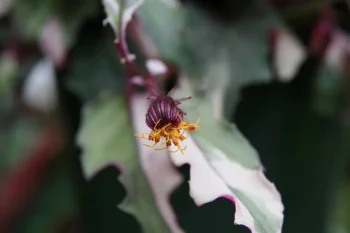
The velvetplant gets its name from its distinctive velvety leaves, which are covered in tiny purple hairs that give the entire plant a soft, almost iridescent appearance. This perennial herb lacks woody stems, instead producing soft, succulent-like growth that can trail gracefully from hanging baskets or grow upright in containers. The contrast between the green leaf base and purple fuzzy coating creates a striking visual effect that’s hard to ignore.
Where Does Velvetplant Come From
Originally native to Southeast Asia, particularly Java and Indonesia, velvetplant is considered a non-native species in the United States. Currently, it has established itself in Florida, where the warm climate allows it to grow outdoors year-round. In most other areas of the country, it’s primarily grown as a houseplant or seasonal container plant.
- Species observed
- No observations
Should You Grow Velvetplant
Velvetplant can make an excellent addition to your plant collection, especially if you’re looking for something unique and low-maintenance. Here’s what to consider:
- Perfect for container gardens and houseplant collections
- Thrives in bright, indirect light
- Easy to propagate and share with friends
- Adds unique texture and color to plant displays
- Relatively pest-resistant
However, since it’s not native to North America, consider pairing it with native alternatives if you’re planning outdoor plantings. Native plants like Wild Ginger (Asarum canadense) or Coral Bells (Heuchera species) can provide interesting foliage textures while supporting local wildlife.
Growing Conditions and Care
Velvetplant is surprisingly forgiving, making it an excellent choice for both beginners and experienced gardeners:
- Light: Bright, indirect sunlight works best. Too much direct sun can fade the purple coloring
- Soil: Well-draining potting mix or garden soil
- Water: Keep soil moderately moist but not waterlogged
- Temperature: Prefers warm conditions; only hardy in USDA zones 9b-11
- Humidity: Appreciates moderate to high humidity levels
Planting and Maintenance Tips
Getting started with velvetplant is refreshingly simple:
- Choose a container with drainage holes if growing indoors
- Plant in spring after any danger of frost has passed
- Pinch off flower buds as they appear – the small orange flowers aren’t particularly attractive and removing them keeps the plant focused on producing beautiful foliage
- Propagate easily by taking stem cuttings and rooting them in water or moist soil
- In colder climates, bring containers indoors before first frost
Design Ideas and Uses
Velvetplant works wonderfully in several garden and landscape scenarios:
- Hanging baskets where its trailing habit can be showcased
- Mixed container arrangements for texture contrast
- Houseplant collections in bright windows
- Tropical or subtropical landscape gardens in warm climates
- As a seasonal accent plant on patios and decks
The Bottom Line
While velvetplant isn’t native to North America, it can be a delightful addition to container gardens and indoor plant collections. Its unique appearance and easy care requirements make it a conversation starter that’s hard to kill. Just remember to bring it indoors if you live in a colder climate, and consider incorporating native plants into your overall garden design to support local ecosystems. Whether you’re a seasoned gardener or just starting out, this fuzzy purple beauty might just become your next favorite plant.