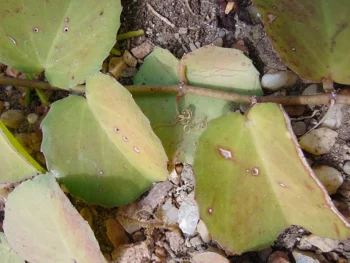
Venezuelan Treebine: A Climbing Beauty for Tropical Gardens
If you’re looking for an easy-going climbing vine that won’t take over your entire garden, Venezuelan treebine might just be the plant you’ve been searching for. This charming climber brings a touch of tropical elegance to any space with its distinctive round leaves and graceful growing habit.
What Is Venezuelan Treebine?
Venezuelan treebine (Cissus rotundifolia) is a perennial shrub that’s actually more of a climbing vine than your typical shrub. While it can grow as a multi-stemmed woody plant up to 13-16 feet tall, it really shines when given something to climb on. Think of it as nature’s way of creating living wall art!
Where Does It Come From?
This lovely vine is native to Venezuela and northern South America, but it has found a new home in Hawaii, where it grows and reproduces on its own in the wild. Currently, you’ll find Venezuelan treebine established in Hawaii, though it’s important to note that it’s considered a non-native species there.
- Species observed
- No observations
Why Gardeners Love (or Skip) Venezuelan Treebine
Venezuelan treebine has some definite appeal for gardeners seeking a low-maintenance climbing plant. Here’s what makes it attractive:
- Round, succulent-like leaves that create interesting texture
- Small clusters of greenish flowers that attract beneficial insects
- Relatively easy to grow and propagate
- Drought-tolerant once established
- Works well in containers or as ground cover
However, since this is a non-native species, environmentally conscious gardeners might prefer to choose native alternatives that better support local ecosystems and wildlife.
Growing Conditions and Care
Venezuelan treebine is pretty forgiving, making it a good choice for beginning gardeners in appropriate climates:
- Climate: USDA zones 10-12 (it’s frost-sensitive, so keep it indoors in colder areas)
- Light: Partial shade to bright indirect light
- Soil: Well-draining soil is essential
- Water: Moderate watering needs; drought-tolerant once established
- Support: Provide a trellis, fence, or other support for climbing
Planting and Propagation Tips
Getting Venezuelan treebine started in your garden is refreshingly straightforward:
- Propagate easily from cuttings – just stick them in moist soil
- Plant in spring after any danger of frost has passed
- Space plants about 3-4 feet apart if using multiple specimens
- Mulch around the base to retain moisture and suppress weeds
- Install support structures at planting time to avoid disturbing roots later
Wildlife and Pollinator Benefits
While Venezuelan treebine does produce small flowers that can attract minor pollinators like small bees and flies, it won’t provide the same level of ecosystem support as native plants. The flowers are modest but do their part in the pollinator world.
Consider Native Alternatives
If you’re gardening in areas where Venezuelan treebine has established itself (like Hawaii), consider exploring native climbing vines that offer similar aesthetic appeal while supporting local wildlife. Native plants are always the better choice for creating sustainable, eco-friendly landscapes that truly benefit your local environment.
The Bottom Line
Venezuelan treebine is an attractive, easy-to-grow climbing vine that can add tropical flair to appropriate gardens. While it’s not problematic like some invasive species, choosing native alternatives when possible is always the more environmentally responsible choice. If you do decide to grow it, you’ll find it to be a reliable, low-maintenance addition that brings a bit of South American charm to your garden space.