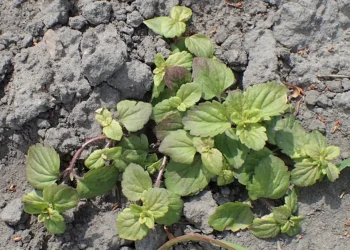
The Mystery of Veronica opaca: A Plant That’s Hard to Pin Down
If you’ve stumbled across the name Veronica opaca in your gardening research, you’re not alone in scratching your head. This member of the speedwell family (Veronica genus) presents quite the puzzle for gardeners and botanists alike, as reliable information about this particular species is surprisingly scarce.
What We Know (And Don’t Know) About Veronica opaca
Here’s where things get interesting – and a bit frustrating. While Veronica opaca appears in some botanical references, comprehensive growing information, native range details, and horticultural characteristics are virtually non-existent in standard gardening and botanical databases. This could mean a few things:
- It might be an extremely rare or localized species
- The name could be outdated or synonymous with another Veronica species
- It may not be widely cultivated or studied
Geographic Distribution: The Great Unknown
Unfortunately, specific geographic distribution information for Veronica opaca is not readily available in current botanical resources. Without this crucial information, it’s impossible to determine its native status or recommend it for specific regions.
Garden Potential: Proceed with Caution
Given the lack of available information about Veronica opaca’s growing requirements, invasive potential, and garden performance, it’s difficult to recommend this plant for home gardens. When plant information is this scarce, it often means:
- The plant may not be available through standard nursery channels
- Growing requirements are unknown, making success unlikely
- Its impact on local ecosystems is uncertain
Better Alternatives: Well-Known Veronica Species
If you’re interested in growing speedwell in your garden, consider these well-documented alternatives:
- Veronica spicata (Spike Speedwell) – A reliable perennial with tall flower spikes
- Veronica americana (American Speedwell) – Native to North America, great for wet areas
- Veronica chamaedrys (Germander Speedwell) – Low-growing with charming blue flowers
What This Means for Gardeners
The mystery surrounding Veronica opaca serves as a good reminder that not every plant name you encounter will have readily available growing information. When you come across such species, it’s usually best to:
- Stick with well-documented plants for reliable garden success
- Choose native alternatives when possible
- Consult local botanical experts or extension offices for regional plant recommendations
While the intrigue of growing something rare or unusual is tempting, successful gardening typically relies on choosing plants with known characteristics and proven garden performance. In the case of Veronica opaca, the smart money is on exploring other members of this diverse and garden-worthy genus instead.