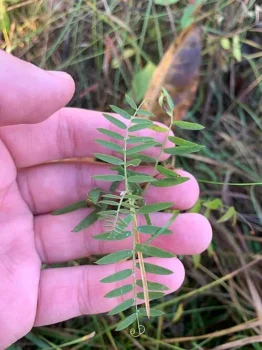
Vicia lilacina: A Mysterious Member of the Vetch Family
If you’ve stumbled across the name Vicia lilacina in your gardening research, you’re not alone in finding it puzzling. This particular plant name presents quite the botanical mystery, and as your friendly neighborhood native plant enthusiast, I’m here to help you navigate the confusion.
The Challenge with Vicia lilacina
Here’s the thing about Vicia lilacina – it’s remarkably elusive in the world of botanical documentation. While it appears in some plant lists with the synonym Vicia neglecta, finding reliable, detailed information about this specific species is like searching for a needle in a haystack. This could mean a few things: it might be an extremely rare species, a regional variant that’s not widely documented, or possibly even a name that’s fallen out of current taxonomic use.
What We Do Know
Vicia lilacina belongs to the Vicia genus, commonly known as vetches. These are typically members of the legume family (Fabaceae), which means they’re related to peas, beans, and other nitrogen-fixing plants. The name suggests it may have lilac-colored flowers, but without verified documentation, even this is speculation.
Geographic Distribution Mystery
Unfortunately, the geographic distribution of Vicia lilacina remains unknown, making it impossible to determine where this plant naturally occurs or whether it would be native to your specific region.
Should You Try to Grow It?
Here’s where I have to put on my practical gardening hat and give you some honest advice: with so little information available about Vicia lilacina, it’s difficult to recommend it for your garden. We don’t know:
- Its native range or habitat requirements
- Whether it’s invasive or beneficial
- How to properly care for it
- Its role in supporting local wildlife
- Its hardiness zones or growing conditions
Better Alternatives: Well-Documented Native Vetches
Instead of chasing this botanical ghost, why not consider some well-documented native vetch species for your region? Many Vicia species are excellent choices for native gardens, offering beautiful flowers, nitrogen-fixing abilities, and support for pollinators and wildlife. Research the vetches that are confirmed native to your area – you’ll find much better information about how to grow them successfully.
The Bottom Line
While Vicia lilacina might sound intriguing, the lack of reliable information makes it a risky choice for gardeners. Your time and garden space are precious, so focus on plants with proven track records and clear growing guidelines. If you’re particularly interested in this species for research purposes, consider reaching out to botanical institutions or native plant societies in your area – they might have insights that aren’t readily available online.
Remember, successful native gardening is all about choosing the right plants for your specific location and conditions. When in doubt, stick with the tried-and-true native species that are well-documented and locally appropriate!