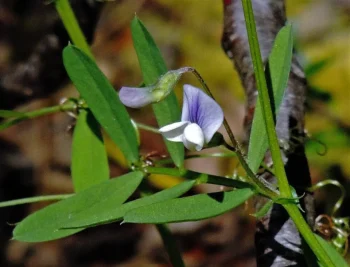
Vicia magellanica: A Mysterious South American Vetch
If you’ve stumbled across the name Vicia magellanica in your plant research, you’re likely wondering what exactly this mysterious member of the pea family has to offer. Well, you’re not alone in your curiosity – this particular vetch species is something of an enigma in the gardening world, with limited information readily available to home gardeners.
What We Know About This Elusive Vetch
Vicia magellanica belongs to the Vicia genus, which includes the familiar vetches that many gardeners know and love. You might also encounter this plant listed under its synonym, Vicia kingii Hook. f., though neither name will likely ring bells at your local nursery.
The species name magellanica gives us our biggest clue about this plant’s origins – it suggests a connection to the Strait of Magellan region in southern South America, pointing to Patagonia as its likely native home.
The Challenge for Home Gardeners
Here’s where things get tricky for those of us excited about adding new plants to our gardens. Information about Vicia magellanica’s specific growing requirements, appearance, and garden performance is surprisingly scarce. We don’t have clear details about:
- Its mature size and growth habit
- Specific soil and water requirements
- Cold hardiness zones
- Seasonal appearance and flowering
- Availability in the nursery trade
What This Means for Your Garden
Given the lack of readily available information and likely limited commercial availability, Vicia magellanica probably isn’t the best choice for most home gardeners, especially those looking for reliable, well-documented plants.
If you’re drawn to the idea of growing vetches in your garden (and who wouldn’t be – they’re fantastic for soil improvement and often beloved by pollinators), consider these better-documented alternatives that might be more suitable for your region:
- Native vetch species appropriate to your local area
- Well-established garden vetches with known growing requirements
- Other members of the pea family with similar benefits
For the Plant Collectors and Researchers
If you’re a serious plant collector or researcher interested in unusual Vicia species, Vicia magellanica might intrigue you. However, proceed with caution – ensure any plant material is ethically and legally sourced, and be prepared for some trial and error in determining its growing needs.
The Bottom Line
While Vicia magellanica holds botanical interest as a member of the diverse and valuable Vicia genus, the lack of available growing information makes it challenging to recommend for typical garden situations. Your gardening efforts might be better invested in well-documented native plants that can provide proven benefits to both your landscape and local wildlife.
Sometimes the most responsible gardening advice is knowing when to say maybe not this one – and Vicia magellanica might just be one of those times, at least until more information becomes available to help gardeners grow it successfully.