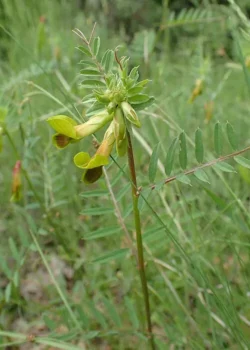
Vicia melanops: The Mystery Vetch That’s Hard to Pin Down
If you’ve stumbled across the name Vicia melanops while browsing plant lists or seed catalogs, you might be wondering what exactly this plant is and whether it belongs in your garden. Well, you’re not alone in your curiosity – this particular member of the vetch family is something of an enigma in the gardening world.
What We Know (And Don’t Know) About This Mysterious Vetch
Vicia melanops belongs to the legume family, making it a cousin to peas, beans, and other vetches. Like other members of the Vicia genus, it’s likely a climbing or trailing plant that produces the characteristic pea-like flowers that gardeners love. However, that’s about where our certainty ends.
The truth is, reliable information about Vicia melanops is surprisingly scarce. This could mean several things: it might be an extremely rare species, a regional variant that hasn’t been widely studied, or possibly even a name that’s fallen out of current botanical use.
The Challenge for Home Gardeners
Without clear information about this plant’s native range, growing requirements, or availability, it’s difficult to recommend it for home gardens. Here’s what we’re missing:
- Geographic distribution and native status
- Specific growing conditions and care requirements
- USDA hardiness zones
- Availability from reputable nurseries or seed sources
- Potential benefits to pollinators and wildlife
Better-Known Vetch Alternatives for Your Garden
If you’re interested in growing vetches in your garden, there are several well-documented species that offer proven benefits:
- American Vetch (Vicia americana) – A native North American species excellent for wildlife habitat
- Hairy Vetch (Vicia villosa) – Great for soil improvement and cover cropping
- Common Vetch (Vicia sativa) – Easy to grow and beneficial for pollinators
The Bottom Line
While Vicia melanops might sound intriguing, the lack of available information makes it a risky choice for most gardeners. Without knowing its growing requirements, native status, or even where to source it reliably, you’re better off choosing one of the many well-documented vetch species that can provide similar benefits to your garden ecosystem.
If you’re determined to learn more about this mysterious plant, consider reaching out to botanical gardens, university extension services, or specialized native plant societies in your area. They might have additional insights or be able to help identify whether this name refers to a plant that’s available under a different designation.
Sometimes in gardening, the most interesting discoveries come from the plants we can actually grow and observe – so why not start with a vetch species that’s ready to thrive in your garden today?