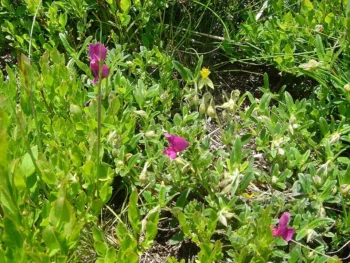
Vicia pyrenaica: The Mysterious Pyrenean Vetch
If you’ve stumbled upon the name Vicia pyrenaica while researching plants for your garden, you’re not alone in finding limited information about this elusive species. This member of the legume family presents quite the botanical puzzle, and here’s what we know (and don’t know) about this mysterious plant.
What We Know About Vicia pyrenaica
Vicia pyrenaica belongs to the Vicia genus, commonly known as vetches, which are part of the pea family (Fabaceae). Based on its scientific name, this species appears to have connections to the Pyrenees mountain range that spans France and Spain. However, comprehensive information about this particular species is surprisingly scarce in botanical literature and gardening resources.
The Challenge of Obscure Species
Sometimes in the plant world, we encounter species names that exist in botanical records but lack the detailed growing information that gardeners need. Vicia pyrenaica appears to fall into this category. This could be due to several reasons:
- It may be an extremely localized or rare species
- The name might be a synonym for a better-known species
- It could be a species that’s primarily of academic rather than horticultural interest
- Information may exist primarily in specialized botanical journals or regional flora guides
What This Means for Gardeners
If you’re specifically looking to grow Vicia pyrenaica, you might want to consider these alternatives:
Contact botanical experts: Reach out to botanical gardens, university extension services, or specialist plant societies who might have more detailed information about this species.
Consider related species: Other Vicia species like Vicia cracca (tufted vetch) or Vicia villosa (hairy vetch) are better documented and might serve similar purposes in your garden while providing known benefits to pollinators and soil health.
Focus on proven natives: If you’re interested in native legumes for your region, consult local native plant societies or extension services for well-documented species that will definitely thrive in your area.
The Importance of Accurate Plant Information
This situation with Vicia pyrenaica highlights why it’s crucial to work with reliable plant sources and verified information when planning your garden. Well-documented plants come with established growing guides, known benefits, and predictable outcomes – all things that make for gardening success.
While the mystery of Vicia pyrenaica remains unsolved for now, there are plenty of other fascinating and well-understood plants waiting to find their place in your garden. Sometimes the best garden adventures come from exploring the plants we can actually grow successfully!
Moving Forward
If you have specific goals for your garden – whether it’s supporting pollinators, adding nitrogen-fixing plants, or creating a Mediterranean-style landscape – consider consulting with local gardening experts who can recommend well-documented species that will thrive in your specific conditions. Your garden (and your sanity) will thank you for choosing plants with proven track records!