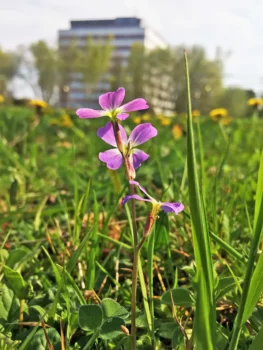
Virginia Stock: A Charming Mediterranean Annual for Your Garden
If you’re looking for a delicate, fragrant annual that brings old-world charm to your garden, Virginia stock (Malcolmia maritima) might just be the perfect fit. This petite Mediterranean native has been quietly winning over gardeners with its sweet fragrance and cottage garden appeal, though it comes with some considerations worth knowing about.
What Is Virginia Stock?
Virginia stock is a small annual forb that belongs to the mustard family. Despite its common name suggesting American origins, this charming plant actually hails from the Mediterranean coast. It’s classified as a non-native species that has naturalized in several U.S. states, reproducing on its own without human intervention.
Currently, you can find Virginia stock growing wild in Minnesota, New Hampshire, New York, Oregon, and Wisconsin. While it has established itself in these areas, it’s not considered problematic or invasive.
- Species observed
- No observations
Why Gardeners Love Virginia Stock
There’s something undeniably appealing about Virginia stock’s modest beauty. The plant produces clusters of small, four-petaled flowers that come in soft shades of white, pink, and purple. But here’s the real kicker – these blooms are wonderfully fragrant, especially in the evening hours.
The plant itself stays compact and low-growing, making it perfect for:
- Edging pathways and borders
- Filling gaps in rock gardens
- Container gardening
- Ground cover in small spaces
- Cottage-style garden designs
Growing Conditions and Care
Virginia stock is refreshingly easy to grow, which explains why it’s managed to naturalize so successfully. This cool-season annual actually prefers the milder temperatures of spring and fall, making it an excellent choice for extending your garden’s bloom time.
Light requirements: Full sun to partial shade
Soil needs: Well-draining soil (it’s quite drought tolerant once established)
USDA zones: Can be grown as an annual in zones 2-11
Planting and Care Tips
The beauty of Virginia stock lies in its simplicity. Here’s how to grow it successfully:
- Direct sow seeds in early spring or fall – they don’t like being transplanted
- Scatter seeds lightly over prepared soil and barely cover them
- Keep soil moist until germination (usually 7-14 days)
- Once established, water sparingly – overwatering can lead to problems
- Expect the plants to self-seed readily for next year’s display
Since Virginia stock is a cool-season annual, don’t be surprised if it fades during hot summer months. This is completely normal behavior for this Mediterranean native.
Pollinator and Wildlife Benefits
While Virginia stock does attract small pollinators like bees and beneficial insects, its wildlife value is relatively modest compared to native alternatives. The fragrant flowers provide some nectar, but they’re not specifically adapted to support North American wildlife.
Consider Native Alternatives
If you’re interested in supporting local ecosystems while still enjoying similar aesthetic appeal, consider these native alternatives:
- Wild bergamot (Monarda fistulosa) for fragrant flowers
- Sweet alyssum native relatives in the mustard family
- Native violets for similar low-growing, delicate flowers
- Wild ginger for ground cover in shaded areas
The Bottom Line
Virginia stock offers gardeners a low-maintenance way to add fragrance and delicate beauty to their landscapes. While it’s not native to North America, it’s not considered problematic either. If you choose to grow it, you’ll likely find it to be a reliable, self-seeding annual that brings Mediterranean charm to your garden.
Just remember to balance non-native plants like Virginia stock with plenty of native species that truly support local wildlife and ecosystems. Your garden – and your local pollinators – will thank you for the thoughtful approach.