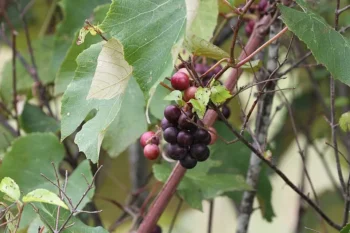
Vitis ×labruscana: The Mysterious Grape Hybrid
If you’ve stumbled across the name Vitis ×labruscana in your gardening research, you might be scratching your head wondering exactly what this plant is. You’re not alone! This particular botanical designation represents one of those mysterious entries in the plant world that leaves even seasoned gardeners and botanists with more questions than answers.
What We Know (And Don’t Know)
The × symbol in Vitis ×labruscana indicates this is a hybrid—likely a cross between different grape species in the Vitis genus. The name suggests a connection to Vitis labrusca (the fox grape), but beyond this botanical breadcrumb, reliable information about this specific hybrid is surprisingly scarce in horticultural literature.
What we do know is limited to its wetland status: across the Atlantic and Gulf Coastal Plain, Eastern Mountains and Piedmont, and Northcentral & Northeast regions, it’s classified as Facultative Upland, meaning it usually grows in non-wetland areas but can occasionally pop up in wetland environments.
The Information Gap
Here’s where things get tricky for gardeners. Unlike well-documented native grapes, we don’t have clear information about:
- Common names or regional nicknames
- Specific native range or geographical distribution
- Growth habits and mature size
- Preferred growing conditions
- Wildlife and pollinator benefits
- Invasive or conservation status
A Better Path Forward
Given the lack of available information about Vitis ×labruscana, gardeners interested in native grapes might want to consider better-documented alternatives. Native Vitis species like fox grape (Vitis labrusca), summer grape (Vitis aestivalis), or riverbank grape (Vitis riparia) offer well-understood benefits for wildlife, clear growing requirements, and established roles in native plant communities.
Should You Plant It?
Without clear information about this hybrid’s characteristics, origin, or ecological impact, it’s difficult to make a strong recommendation either way. The mystery surrounding Vitis ×labruscana makes it a less-than-ideal choice for gardeners who want predictable results and known ecological benefits.
If you’re drawn to native grapes for their wildlife value—and trust me, birds and other creatures absolutely love grape species—stick with well-documented native varieties that you can find from reputable native plant sources. You’ll have much better luck with established care guidelines and known ecological benefits.
The Bottom Line
Sometimes in the plant world, we encounter these botanical puzzles that remind us how much we still don’t know. Vitis ×labruscana appears to be one of those cases where the scientific name exists, but the practical gardening information hasn’t caught up. For now, it remains more of a curiosity than a reliable garden recommendation.
If you’re passionate about native grapes, explore the well-documented species instead. Your garden—and the wildlife that visits it—will thank you for choosing plants with known benefits and reliable growing information.