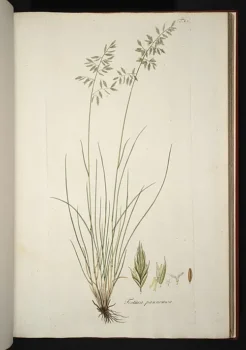
Volga Fescue: A Hardy Ornamental Grass for Challenging Sites
Looking for a tough, drought-tolerant grass that can handle challenging growing conditions? Volga fescue (Festuca valesiaca) might just be the resilient plant you’ve been searching for. This hardy perennial grass has made its way from the steppes of Europe and Asia to gardens across North America, where it’s earned a reputation as a reliable performer in tough spots.
What Is Volga Fescue?
Volga fescue is a clump-forming perennial grass that creates dense, fine-textured tufts of narrow leaves. The foliage ranges from blue-green to gray-green, giving it an attractive, silvery appearance that adds visual interest to the landscape. As a member of the grass family, it’s what botanists call a graminoid – basically a fancy way of saying it’s grass-like in its growth habit.
This hardy little grass is a non-native species that has naturalized in several states across the country. While it reproduces on its own in the wild, it’s not currently classified as invasive, making it a relatively safe choice for gardeners who need a tough, low-maintenance option.
Where Does Volga Fescue Grow?
Originally from the dry grasslands and steppes of Europe and western Asia, Volga fescue has adapted well to North American conditions. You can currently find it growing in Arizona, Kansas, Montana, Vermont, and Wyoming – quite the geographic spread! This distribution tells us something important: this grass is incredibly adaptable to different climates and conditions.
- Species observed
- No observations
Why Consider Volga Fescue for Your Garden?
There are several compelling reasons why gardeners might choose this resilient grass:
- Exceptional drought tolerance: Once established, Volga fescue can handle extended dry periods with minimal water
- Low maintenance: This grass doesn’t demand much attention once it’s settled in
- Attractive appearance: The fine texture and blue-green color provide year-round visual interest
- Erosion control: The dense root system helps stabilize soil on slopes and challenging sites
- Cold hardy: Thrives in USDA zones 4-8, making it suitable for many northern climates
Perfect Spots for Volga Fescue
This adaptable grass shines in specific garden situations:
- Xeriscaping projects: Perfect for water-wise landscapes
- Rock gardens: The fine texture complements stone features beautifully
- Naturalized areas: Great for creating low-maintenance meadow-like spaces
- Problem slopes: Helps prevent erosion while looking attractive
- Border edges: Creates neat, defined lines in formal plantings
Growing Conditions and Care
Volga fescue is refreshingly easy to please when it comes to growing conditions:
Sun requirements: Full sun is best, though it can tolerate some light shade
Soil preferences: Well-drained soils are essential – this grass doesn’t like wet feet. It actually prefers alkaline conditions and can handle poor soils that would challenge other plants.
Watering: Once established, minimal watering is needed. In fact, overwatering can be more harmful than underwatering for this drought-adapted species.
Climate tolerance: Hardy in USDA zones 4-8, making it suitable for most temperate climates with cold winters.
Planting and Care Tips
Getting Volga fescue established is straightforward:
- Timing: Plant seeds in spring or fall when temperatures are moderate
- Spacing: Allow adequate space between plantings as mature clumps can spread
- Initial care: Provide regular water until established (usually the first growing season)
- Ongoing maintenance: Very minimal – occasional removal of old growth in late winter if desired
- Fertilizing: Generally unnecessary; this grass thrives in lean conditions
Wildlife and Ecological Considerations
As a wind-pollinated grass, Volga fescue doesn’t offer direct nectar or pollen resources for bees and butterflies. However, it does provide habitat structure that can shelter small wildlife and beneficial insects. The seeds may also provide food for some bird species.
A Word About Native Alternatives
While Volga fescue is a well-behaved non-native plant, you might also consider native grass alternatives that provide similar benefits while supporting local ecosystems. Depending on your region, options might include buffalo grass, blue grama, or various native fescue species. These native alternatives often provide better wildlife support and are perfectly adapted to local conditions.
The Bottom Line
Volga fescue earns its place in the garden through sheer reliability and toughness. If you need a low-maintenance, drought-tolerant grass for challenging sites, it’s definitely worth considering. Just remember that while it’s not invasive, exploring native alternatives first can provide even greater benefits to your local ecosystem. Either way, you’ll have a hardy, attractive grass that won’t demand much from you once it’s established – and sometimes, that’s exactly what a gardener needs.