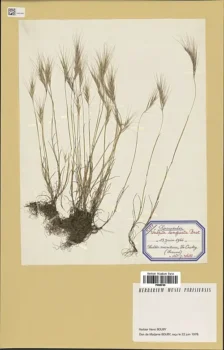
Vulpia membranacea: A Delicate Mediterranean Grass for Your Garden
If you’re looking to add a touch of Mediterranean charm to your landscape, Vulpia membranacea might just be the understated grass you’ve been searching for. This delicate annual grass, also known by its synonym Vulpia longiseta, brings a soft, naturalistic texture that works beautifully in dry gardens and naturalized plantings.
What Makes This Grass Special?
Vulpia membranacea is a member of the grass family (Poaceae) that creates an airy, fine-textured appearance in the landscape. As an annual grass, it completes its entire life cycle in one growing season, making it perfect for gardeners who enjoy seasonal variety or those experimenting with different plantings each year.
Where Does It Come From?
This charming little grass hails from the Mediterranean region, particularly Spain and Portugal, where it has adapted to the warm, dry summers and mild, wet winters characteristic of Mediterranean climates.
Garden Appeal and Design Uses
What sets Vulpia membranacea apart is its delicate, almost ethereal quality. The fine foliage creates a soft texture that serves as an excellent counterpoint to broader-leaved plants or more structural elements in your garden. Here’s how you can use it effectively:
- Ground cover in naturalized areas
- Filler in Mediterranean-style gardens
- Texture contrast in mixed plantings
- Seasonal interest in dry garden designs
Growing Conditions and Care
One of the best things about this grass is how easy-going it tends to be. Vulpia membranacea thrives in:
- Sunlight: Full sun exposure
- Soil: Well-draining soil (it’s quite forgiving about soil quality)
- Water: Drought tolerant once established
- Climate: USDA hardiness zones 7-10
Planting and Maintenance Tips
Getting started with Vulpia membranacea is refreshingly straightforward:
- Sow seeds directly in fall or early spring
- Scatter seeds lightly over prepared soil
- Water gently until germination occurs
- Once established, minimal watering is needed
- Allow plants to self-seed for natural propagation
Wildlife and Garden Ecosystem Benefits
As a wind-pollinated grass, Vulpia membranacea doesn’t offer the same direct pollinator benefits as flowering plants. However, it can provide habitat and potential food sources for small wildlife and contributes to the overall diversity of your garden ecosystem.
Should You Plant It?
This grass can be a lovely addition to the right garden setting, particularly if you’re creating a Mediterranean-themed landscape or naturalized area. However, since its native status and potential invasive characteristics in North America aren’t well-documented, we recommend:
- Checking with your local extension office about its suitability in your area
- Considering native grass alternatives that provide similar aesthetic benefits
- Monitoring its growth habits if you do plant it
The Bottom Line
Vulpia membranacea offers gardeners an opportunity to experiment with a delicate, Mediterranean grass that’s relatively low-maintenance and adds textural interest to dry garden settings. While it may not be the showiest plant in your garden, its subtle beauty and adaptability make it worth considering—just be sure to research its appropriateness for your specific location first!