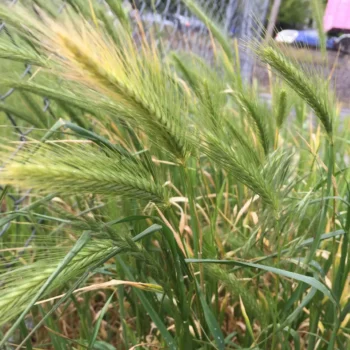
Wall Barley: What Every Gardener Should Know About This Non-Native Grass
If you’ve ever wondered about that scrappy grass popping up in disturbed areas around your neighborhood, you might be looking at wall barley (Hordeum murinum murinum). This annual grass has quite the story to tell, and understanding it can help you make better decisions for your garden and landscape.
What Exactly Is Wall Barley?
Wall barley is a non-native annual grass that originally hails from the Mediterranean region and parts of Europe and Asia. Despite its humble common name, this plant is also known by the botanical synonyms Critesion murinum. As a member of the grass family (Poaceae), it’s what botanists call a graminoid – essentially a grass or grass-like plant that includes true grasses, sedges, and rushes.
Where You’ll Find Wall Barley
This adaptable grass has made itself at home across a surprising range of North American locations. You can find wall barley growing in British Columbia, Arizona, California, Colorado, Delaware, Maryland, Oregon, Pennsylvania, Utah, and Washington. It’s successfully established itself as a non-native species that reproduces on its own and persists in both Canada and the lower 48 states.
- Species observed
- No observations
Should You Plant Wall Barley in Your Garden?
Here’s where things get interesting – and a bit complicated. Wall barley isn’t typically considered a desirable garden plant, and there are several reasons why most gardeners might want to think twice before intentionally adding it to their landscape:
- It has low ornamental value with a rather coarse, weedy appearance
- As a non-native species, it doesn’t provide the same ecological benefits as native grasses
- It tends to pop up in disturbed areas and can spread readily
- It offers minimal benefits to pollinators since it’s wind-pollinated
Growing Conditions and Characteristics
If wall barley does appear in your area (and it very well might on its own), here’s what you can expect:
This hardy annual grass is remarkably adaptable to various growing conditions. It thrives in disturbed soils, along roadsides, and in waste areas where other plants might struggle. Wall barley is notably drought-tolerant and can establish itself in a wide range of USDA hardiness zones, typically from zones 3 through 10.
The plant completes its entire life cycle in one growing season, germinating, growing, flowering, setting seed, and dying all within a year. This annual habit means it relies entirely on seed production to continue from year to year.
Better Alternatives for Your Garden
Instead of wall barley, consider these native grass alternatives that will provide better ecological value and often superior aesthetic appeal:
- Buffalo grass (Bouteloua dactyloides) for drought-tolerant areas
- Blue grama (Bouteloua gracilis) for xeriscaping
- Little bluestem (Schizachyrium scoparium) for ornamental value
- Native fescue species appropriate to your region
The Bottom Line
While wall barley isn’t necessarily harmful, it’s not the best choice for intentional garden plantings. Its weedy nature and non-native status mean it won’t contribute to local ecosystems the way native grasses do. If you’re looking to add grasses to your landscape, you’ll get much better results – both aesthetically and ecologically – by choosing native species that have co-evolved with your local wildlife and growing conditions.
Remember, the best gardens work with nature rather than against it, and choosing plants that belong in your region is always a step in the right direction!