Wartremoving Herb: Why This Wetland Plant Should Stay Out of Your Garden
If you’ve come across the oddly-named wartremoving herb (Murdannia keisak) in your research for wetland plants, you might be wondering whether this perennial forb deserves a spot in your garden. While it might seem like an interesting addition to wet areas of your landscape, there are some important reasons why you should think twice before planting this particular species.
What is Wartremoving Herb?
Wartremoving herb, also known by its scientific name Murdannia keisak, is a low-growing perennial that belongs to the dayflower family. This herbaceous plant typically reaches 6-12 inches in height and has a spreading growth habit that allows it to form dense mats. Despite its intriguing common name, this isn’t a plant you’ll want to welcome into your garden.
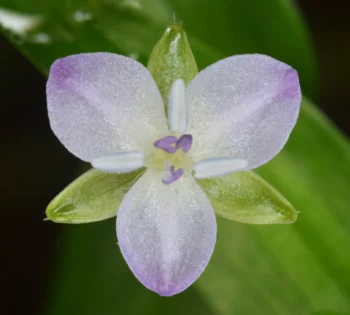
Originally from East Asia, including China, Japan, and Korea, this non-native species has made itself quite at home in American wetlands. It produces small purple to blue flowers and has grass-like foliage that might look appealing at first glance.
Where Does It Grow?
Wartremoving herb has established populations across 16 states, primarily in the southeastern United States, with some presence on the West Coast. You can find it in Alabama, Arkansas, Delaware, Florida, Georgia, Kentucky, Louisiana, Maryland, Mississippi, New Jersey, North Carolina, Oregon, South Carolina, Tennessee, Virginia, and Washington.
- Species observed
- No observations
The Problem: It’s Invasive
Here’s where things get concerning for gardeners and land managers. Wartremoving herb isn’t just a harmless non-native plant – it’s classified as invasive in several states:
- Alabama: Category 2 invasive species
- Delaware: Invasive status
- New Jersey: Prohibited species
- North Carolina: Invasive status
This invasive status means the plant reproduces aggressively in the wild, spreads without human help, and can displace native vegetation. Once established, it tends to persist and can be difficult to control or remove.
Growing Conditions and Habitat
If you’re dealing with this plant on your property, it’s helpful to understand its preferred conditions. Wartremoving herb is what botanists call an obligate wetland species, meaning it almost always occurs in wetlands across all regions where it’s found. It thrives in:
- Consistently moist to wet soils
- Wetland margins and shallow water areas
- USDA hardiness zones 7-10
- Areas with regular moisture or flooding
Wildlife Interactions
While wartremoving herb does provide some wildlife value – contributing about 5-10% of water birds’ diets according to research – this benefit doesn’t outweigh its negative impacts on native ecosystems. The plant offers limited cover for wildlife and its value pales in comparison to native alternatives.
Why You Shouldn’t Plant It
Given its invasive status in multiple states, we strongly recommend against intentionally planting wartremoving herb. Here’s why:
- It can escape cultivation and invade natural wetlands
- It displaces native plants that provide better wildlife habitat
- It may be illegal to plant in some areas (like New Jersey)
- Once established, it’s difficult to control or remove
Better Native Alternatives
Instead of wartremoving herb, consider these native wetland plants that provide superior wildlife benefits and won’t threaten local ecosystems:
- Blue flag iris (Iris versicolor) for purple flowers
- Cardinal flower (Lobelia cardinalis) for stunning red blooms
- Swamp milkweed (Asclepias incarnata) for monarch butterflies
- Native sedges (Carex species) for grass-like texture
- Pickerel rush (Pontederia cordata) for blue spikes
If You Already Have It
If wartremoving herb has already established itself in your wetland areas, consider contacting your local extension office or invasive species management program for removal strategies. Early detection and removal are key to preventing further spread.
While the quirky name wartremoving herb might spark curiosity, this is one plant that’s better left out of your garden. By choosing native alternatives, you’ll create more valuable habitat for local wildlife while avoiding the headaches that come with invasive species management.