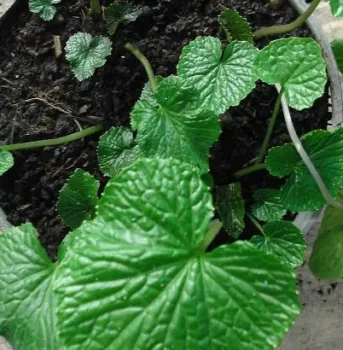
Growing Wasabi: The Ultimate Garden Challenge Plant
If you’re looking for a gardening adventure that will test every skill you’ve developed, meet wasabi (Wasabia japonica). This legendary Japanese plant is famous for creating that sinus-clearing green paste served with sushi, but growing it yourself? That’s where things get interesting – and by interesting, we mean incredibly challenging.
What Exactly Is Wasabi?
Wasabi, scientifically known as Wasabia japonica, is a perennial plant native to the cool mountain streams and forest valleys of Japan. You might also see it listed under its botanical synonym, Eutrema wasabi. This isn’t your average garden herb – it’s arguably one of the most difficult plants to cultivate outside its native habitat.
Where Does Wasabi Come From?
In the wild, wasabi thrives in the mountainous regions of Japan, where it grows naturally along stream beds in cool, shaded forest environments. These plants have adapted to very specific conditions that are nearly impossible to replicate in most home gardens.
What Does Wasabi Look Like?
Don’t expect flashy blooms or dramatic foliage. Wasabi plants feature heart-shaped leaves with distinctively serrated edges that create an attractive, textured appearance. The plants produce small clusters of tiny white flowers, though these aren’t particularly showy. The real prize is the thick, knobby rhizome (the part that gets grated for that famous spicy kick). Overall, the plant has a lush, green appearance that would be lovely in a woodland setting – if you could actually grow it successfully.
Growing Conditions: Prepare for a Challenge
Here’s where wasabi separates the casual gardeners from the truly obsessed. This plant requires conditions so specific that most commercial wasabi is actually grown in high-tech controlled environments. Here’s what you’re up against:
- Temperature: Consistent 46-68°F (never fluctuating much)
- Humidity: Extremely high, around 95%
- Light: Filtered shade only – no direct sunlight
- Water: Consistent moisture without waterlogging
- Soil: Well-draining but moisture-retentive, neutral to slightly alkaline pH
- Air circulation: Good airflow to prevent fungal issues
Can You Actually Grow Wasabi at Home?
Technically, yes. Practically? It’s extremely difficult. Wasabi is hardy in USDA zones 8-10, but even in these zones, the specific microclimatic conditions it needs are rare. Most successful home growers use specialized setups like:
- Climate-controlled greenhouses
- Hydroponic systems with cooling
- Carefully maintained container gardens with frequent misting
- Basement growing setups with artificial lighting and humidity control
Planting and Care Tips (For the Brave)
If you’re determined to try growing wasabi, here are some tips to improve your odds:
- Start with plants rather than seeds – they’re already challenging enough
- Use a well-draining potting mix with added perlite
- Provide consistent, gentle watering or misting
- Monitor temperature religiously with a min/max thermometer
- Ensure excellent air circulation to prevent rot
- Be prepared for a long wait – it takes 2-3 years to develop a harvestable rhizome
Wildlife and Pollinator Benefits
While wasabi’s small white flowers may attract some minor pollinators, this isn’t a plant you’d choose specifically for wildlife benefits. Given its specific growing requirements and non-native status, there are much better options for supporting local ecosystems.
Should You Grow Wasabi?
Here’s the honest truth: unless you have extensive experience with challenging plants, specialized equipment, or a burning passion for homegrown wasabi, you might want to consider this more of a gardening curiosity than a practical addition to your landscape.
If you’re interested in unique, challenging plants but want something more manageable, consider native alternatives that offer interesting flavors or textures, such as wild ginger species native to your area, or other woodland plants that thrive in shaded, moist conditions.
That said, if you love a good gardening challenge and have the resources to create the right environment, growing wasabi can be an incredibly rewarding (though patience-testing) experience. Just don’t expect it to be easy – even commercial growers consider it one of the most demanding crops to cultivate.
The Bottom Line
Wasabi is the Mount Everest of edible gardening – possible to conquer, but requiring serious commitment, specialized knowledge, and often specialized equipment. For most gardeners, appreciating this remarkable plant at a Japanese restaurant might be the most practical way to enjoy it. But for those who thrive on seemingly impossible challenges, wasabi offers the ultimate test of horticultural skill.