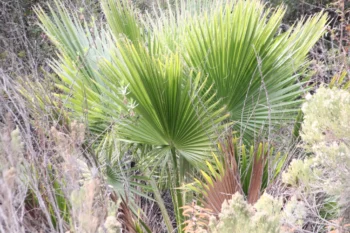
Washington Fan Palm: A Stately Addition to Warm Climate Gardens
If you’re dreaming of adding some tropical flair to your landscape, the Washington fan palm might just be the showstopper you’re looking for. With its towering presence and distinctive fan-shaped leaves, this palm brings instant drama and exotic appeal to any garden lucky enough to host it.
Getting to Know the Washington Fan Palm
The Washington fan palm (Washingtonia robusta) goes by a few different scientific names you might encounter, including Washingtonia gracilis and Washingtonia sonorae. This perennial tree is a true giant, typically reaching heights of 13 to 16 feet or more, with a distinctive single trunk that gives it an impressive, stately appearance.
While it shares a name with our nation’s capital, this palm actually hails from northwestern Mexico, specifically the regions of Baja California and Sonora. Today, you’ll find established populations growing wild in California and Florida, where this non-native species has made itself quite at home.
- Species observed
- No observations
What Makes This Palm Special
The Washington fan palm is all about making a statement. Its large, fan-shaped leaves create a dramatic canopy, while older specimens develop what’s affectionately called a petticoat – a skirt of dead fronds that hang down around the trunk. Some gardeners love this natural look, while others prefer to trim it away for a cleaner appearance.
This palm produces small flowers that can attract some insects, though it’s not considered a major pollinator plant. Its primary appeal lies in its architectural presence and ability to create instant tropical ambiance.
Where Does It Thrive?
This palm is surprisingly adaptable when it comes to water conditions. Depending on your region, it can handle both wetland and non-wetland conditions, making it quite versatile for different landscape situations.
The Washington fan palm is best suited for USDA hardiness zones 9-11, where it can handle the warm temperatures it craves. It’s perfect for:
- Mediterranean-style gardens
- Xeriscaping projects
- Tropical-themed landscapes
- Commercial landscaping
- Statement plantings as specimen trees
Growing Your Washington Fan Palm
The good news? This palm is relatively low-maintenance once you understand its preferences. Here’s what you need to know:
Light and Location: Plant your Washington fan palm in full sun where it can soak up plenty of rays. These trees love heat and bright conditions.
Soil Requirements: Well-draining soil is crucial. While this palm can adapt to various soil types, it absolutely cannot tolerate waterlogged conditions.
Watering: During the establishment period, provide regular watering to help your palm get settled. Once established, it becomes quite drought tolerant – a real bonus for water-conscious gardeners.
Planting Tips: Spring is the ideal time to plant. Make sure you have plenty of space, as these trees need room to spread their fronds and show off their full glory.
Care and Maintenance
One of the best things about Washington fan palms is that they don’t demand constant attention. Here are the basics:
- Prune sparingly – only remove brown, dead fronds
- Never hurricane cut or remove green fronds
- Watch for nutrient deficiencies, particularly potassium
- Protect young trees from strong winds until established
Things to Consider
Before you fall head-over-heels for this palm, consider a few important points. Since the Washington fan palm isn’t native to most of the United States, you might want to explore native alternatives that could provide similar benefits while supporting local ecosystems.
Also, remember that this is a BIG tree. Make sure you have adequate space and won’t be creating future problems with power lines, buildings, or neighboring properties.
The Bottom Line
The Washington fan palm can be a stunning addition to the right garden in the right climate. Its dramatic presence and relatively easy care make it appealing for gardeners looking to create a tropical oasis. Just make sure you have the space, climate, and long-term commitment this impressive tree deserves.
Whether you choose this striking palm or decide to explore native alternatives, the key is selecting plants that will thrive in your specific conditions while creating the landscape of your dreams.