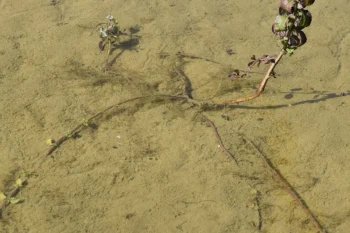
Water Mint: A Fragrant Solution for Wet Garden Spots
If you’ve got a soggy spot in your garden that seems impossible to plant, water mint (Mentha aquatica) might just be your aromatic answer. This perennial herb thrives where many plants fear to tread – in consistently wet, even waterlogged conditions that would spell doom for most garden favorites.
What Exactly Is Water Mint?
Water mint is a spreading perennial herb that belongs to the mint family, and like its culinary cousins, it’s delightfully fragrant when you brush against its leaves. This isn’t your typical garden mint, though – it’s specifically adapted for life in wet conditions. The plant produces small purple-pink flowers arranged in dense, rounded clusters at the stem tips during summer, creating a lovely display above its serrated, oval-shaped leaves.
You might also encounter this plant listed under its synonyms, including Mentha citrata, though water mint remains its most recognized common name.
Where Does Water Mint Come From?
Originally native to Europe, western and central Asia, and northwest Africa, water mint has made itself quite at home across North America. It’s now established and reproducing naturally across a impressive range of states and provinces, from British Columbia down to Puerto Rico, and from coast to coast in the continental United States.
- Species observed
- No observations
The Wet and Wild Growing Conditions
Here’s where water mint really shines – it absolutely loves what most plants hate. This hardy perennial (suitable for USDA zones 3-9) thrives in:
- Consistently moist to waterlogged soils
- Full sun to partial shade conditions
- Areas with poor drainage that stay wet
- Pond margins, stream banks, and bog gardens
The plant’s wetland status varies by region, but it’s generally classified as either obligate wetland (almost always found in wetlands) or facultative wetland (usually found in wetlands but can tolerate some non-wetland conditions). This makes it incredibly reliable for those challenging wet spots in your landscape.
Why You Might Want Water Mint in Your Garden
Water mint isn’t just about solving drainage problems – it brings several benefits to the garden:
- Pollinator magnet: Those summer flower clusters are beloved by bees, butterflies, and other beneficial insects
- Erosion control: The spreading root system helps stabilize soil around water features
- Aromatic ground cover: Creates a fragrant carpet in wet areas where grass struggles
- Low maintenance: Once established, it pretty much takes care of itself
Perfect Garden Situations for Water Mint
This adaptable herb works beautifully in several garden scenarios:
- Rain gardens and bioswales
- Pond and water feature margins
- Bog gardens and naturalized wetland areas
- Consistently moist borders and foundations with drainage issues
Planting and Care Tips
Growing water mint successfully is refreshingly straightforward:
- Timing: Plant in spring after the last frost
- Spacing: Allow 12-18 inches between plants
- Soil: Any soil that stays consistently moist works fine
- Water: Keep it wet – this is one plant you can’t overwater
- Maintenance: Minimal once established, though it can spread aggressively
A Word of Caution
Like many mints, water mint can be an enthusiastic spreader. In smaller gardens or contained spaces, consider planting it in a sunken container to prevent it from taking over. It’s also worth noting that while water mint isn’t considered invasive, it is a non-native species.
Native Alternatives to Consider
If you’re focused on supporting local ecosystems with native plants, consider these alternatives for wet garden spots:
- Wild mint (Mentha canadensis) – a native North American mint
- Blue flag iris (Iris versicolor) – stunning native wetland perennial
- Cardinal flower (Lobelia cardinalis) – brilliant red native wildflower
- Swamp milkweed (Asclepias incarnata) – essential native plant for monarchs
Whether you choose water mint or explore native alternatives, the key is finding plants that will thrive in your garden’s unique conditions. For those challenging wet spots where little else will grow, water mint offers a fragrant, pollinator-friendly solution that’s as practical as it is pleasant.