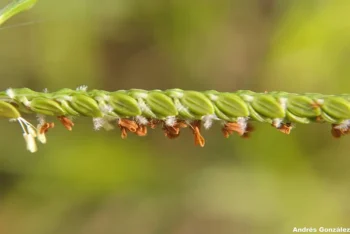
Water Paspalum: A Wetland Grass for Challenging Growing Conditions
If you’ve been struggling to find plants that thrive in consistently wet, boggy areas of your landscape, water paspalum (Paspalum modestum) might catch your attention. This perennial grass has carved out a niche in the wetlands of Louisiana and Texas, offering a solution for those tricky spots where most plants fear to tread.
What is Water Paspalum?
Water paspalum is a grass-like perennial that belongs to the same family as your lawn grass, but with a very different personality. Unlike its manicured cousins, this species has adapted to life in wetlands, forming dense, low-growing mats that can handle conditions that would drown most other plants.
As a non-native species originally from South America, water paspalum has established itself in the wild in Louisiana and Texas, where it reproduces naturally without human intervention. While it’s not considered invasive or noxious, it’s worth noting its non-native status when making planting decisions.
Where Does Water Paspalum Grow?
Currently, water paspalum has naturalized in just two states: Louisiana and Texas. Its limited distribution reflects its specific habitat requirements and climate preferences.
- Species observed
- No observations
Growing Conditions and Hardiness
Water paspalum is classified as an Obligate Wetland plant in the Atlantic and Gulf Coastal Plain region, meaning it almost always occurs in wetlands. This tells you everything you need to know about its growing preferences:
- Consistently moist to saturated soils
- Full sun to partial shade conditions
- USDA hardiness zones 8-11
- Tolerates periodic flooding
Landscape Uses and Design Role
Water paspalum excels in specific landscape situations where other plants struggle:
- Rain gardens and bioswales
- Pond and stream margins
- Erosion control in wet areas
- Naturalized wetland gardens
The plant forms dense, fine-textured mats that provide good ground cover and help stabilize soil in wet conditions. Its inconspicuous flowers won’t win any beauty contests, but the practical benefits can be significant in the right setting.
Planting and Care Tips
If you decide water paspalum fits your landscape needs, here’s how to grow it successfully:
- Plant in consistently moist to wet soil conditions
- Choose locations with full sun to partial shade
- Allow space for spreading, as it grows by stolons
- Requires minimal maintenance once established
- Monitor spread to prevent unwanted expansion
Wildlife and Pollinator Benefits
As a grass species, water paspalum offers limited benefits to pollinators since it’s wind-pollinated rather than insect-pollinated. However, like many wetland grasses, it may provide some habitat value for wetland wildlife and waterfowl.
Should You Plant Water Paspalum?
The decision to plant water paspalum depends on your specific needs and philosophy about native plants. If you have challenging wet areas where nothing else will grow, it can provide practical benefits. However, since it’s not native, consider exploring native alternatives first.
Native wetland grasses like wild rice (Zizania species), various sedges (Carex species), or rushes (Juncus species) might serve similar functions while supporting local ecosystems. Consult with local native plant societies or extension offices to identify the best native options for your specific region and conditions.
The Bottom Line
Water paspalum fills a specific niche for gardeners dealing with consistently wet conditions in zones 8-11. While it’s not a showstopper in terms of beauty, it’s a reliable performer in challenging conditions. Just remember to consider native alternatives first, and if you do choose water paspalum, monitor its spread to ensure it stays where you want it.