Water Spangles: A Floating Fern for Your Water Garden
If you’ve ever dreamed of creating a magical water feature that looks like it’s straight out of a fairy tale, water spangles might just be the floating plant you’re looking for. This charming little aquatic fern, scientifically known as Salvinia minima, creates beautiful carpets of green across pond surfaces with its distinctive paired leaves.
What Are Water Spangles?
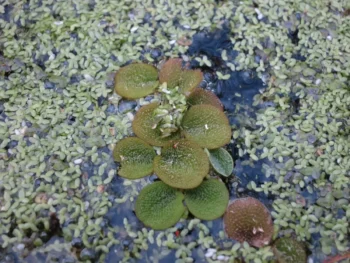
Water spangles are small, floating aquatic ferns that belong to the fascinating world of water-loving plants. Unlike typical garden plants, these little beauties don’t need soil at all – they simply float on the water’s surface, creating living mats of greenery. Each plant consists of pairs of oval-shaped leaves covered in tiny water-repelling hairs that give them their characteristic appearance and help them stay afloat.
You might also see water spangles referred to by their botanical synonyms, including Salvinia auriculata or Salvinia rotundifolia in older gardening references, though these names aren’t technically correct.
Where Do Water Spangles Come From?
Originally native to Central and South America, including parts of the Caribbean, water spangles have made themselves at home in many warmer regions of the United States. As a non-native species, they’ve been introduced and now reproduce naturally in the wild across multiple states including Alabama, Arkansas, Florida, Georgia, Louisiana, Maryland, Massachusetts, Mississippi, New Mexico, New York, Oklahoma, South Carolina, Texas, and Puerto Rico.
- Species observed
- No observations
Should You Grow Water Spangles?
Water spangles can make a lovely addition to ornamental ponds and water gardens, especially if you’re looking for quick coverage and an interesting textural element. However, since they’re not native to North America, you might want to consider native aquatic alternatives first. Some beautiful native options include American lotus, spatterdock, or native water lilies, depending on your region.
If you do choose to grow water spangles, they work wonderfully in:
- Ornamental garden ponds
- Water features and fountains
- Bog gardens with standing water
- Aquatic containers and water gardens
Growing Conditions and Care
The good news about water spangles is that they’re incredibly easy to grow – almost too easy! These obligate wetland plants thrive in warm, nutrient-rich water and can handle both full sun and partial shade conditions.
Climate requirements: Water spangles prefer warm climates and are best suited for USDA hardiness zones 9-11. In cooler areas, you can grow them as annuals or bring containers indoors during winter.
Water conditions: They love nutrient-rich water and will actually help absorb excess nutrients from pond water, which can be beneficial for overall water quality.
Planting and Maintenance
Getting started with water spangles couldn’t be simpler – there’s no actual planting involved! Simply place the small plants directly on your pond or water feature’s surface. They’ll spread naturally through fragmentation, with pieces breaking off to form new plants.
Because water spangles can grow and spread quickly under ideal conditions, you’ll want to monitor their growth and thin them out occasionally to prevent them from completely covering your water surface. This also ensures other aquatic plants get adequate light and that your pond maintains good oxygen levels.
Benefits and Considerations
While water spangles don’t provide pollinator benefits (being ferns, they don’t produce flowers), they do offer some advantages for water gardeners:
- Quick coverage for new ponds
- Natural water filtration properties
- Interesting texture and visual appeal
- Low maintenance requirements
Just remember to be a responsible gardener – if you live near natural waterways, take care to prevent water spangles from escaping into local ecosystems where they might compete with native species.
The Bottom Line
Water spangles can be a delightful addition to contained water features, offering easy-care beauty and interesting texture. While they’re not native to North America, they can play a nice role in ornamental water gardens when managed responsibly. Just be sure to explore native aquatic plant options first – your local ecosystem will thank you, and you might discover some equally beautiful alternatives that support native wildlife too!