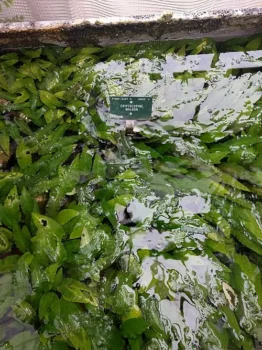
Water-Trumpet: A Specialized Wetland Plant for Unique Garden Situations
Meet the water-trumpet (Cryptocoryne walkeri), a quirky little aquatic plant that’s definitely not your typical garden perennial. This specialized wetland species brings a unique tropical flair to water features, but it’s not for every gardener or every garden situation.
What Is Water-Trumpet?
Water-trumpet is a non-native perennial forb that originally hails from Sri Lanka and southern India. As its name suggests, this plant is all about water – it’s classified as an obligate wetland species, which means it almost always occurs in wetland conditions. Think of it as nature’s way of saying keep me wet, or I’m out of here!
This small aquatic plant forms attractive rosettes of elongated, lance-shaped leaves that typically reach 4-8 inches in length. The narrow green foliage has smooth margins and creates a distinctive fountain-like appearance when healthy.
Where You’ll Find It Growing
In the United States, water-trumpet has established itself in Florida, where the warm, humid climate suits its tropical origins perfectly. It’s considered a non-native species that reproduces spontaneously in the wild without human intervention.
- Species observed
- No observations
Should You Plant Water-Trumpet?
Here’s the thing about water-trumpet – it’s a very specialized plant with very specific needs. You might consider it if you:
- Have a water garden, pond, or bog garden
- Live in USDA hardiness zones 9-11
- Want an unusual aquatic plant for a water feature
- Enjoy maintaining aquarium plants and want to try something outdoors
However, water-trumpet might not be the best choice if you’re looking for a typical landscape plant. Its obligate wetland status means it absolutely requires consistently moist to wet conditions – regular garden soil just won’t cut it.
Growing Conditions and Care
Water-trumpet is definitely a high-maintenance relationship when it comes to moisture. Here’s what it needs to thrive:
- Moisture: Constantly wet conditions – think submerged or boggy soil
- Light: Partial shade to full shade
- Soil: Acidic to neutral pH, rich organic matter
- Temperature: Warm conditions year-round (zones 9-11)
Planting and Care Tips
If you decide to grow water-trumpet, treat it more like an aquatic plant than a traditional perennial:
- Plant in containers that can be submerged in water features
- Use aquatic planting media or heavy clay soil to prevent floating
- Maintain water levels consistently – never let it dry out
- Protect from freezing temperatures in marginal zones
- Remove any dead or yellowing leaves regularly
Consider Native Alternatives
While water-trumpet isn’t considered invasive, you might want to explore native wetland plants that offer similar aesthetic appeal with better ecological benefits. Consider native options like:
- Arrowhead (Sagittaria species)
- Pickerel rush (Pontederia cordata)
- Native sedges (Carex species)
- Water plantain (Alisma subcordatum)
These native alternatives will provide better wildlife habitat and pollinator benefits while supporting your local ecosystem.
The Bottom Line
Water-trumpet is an interesting specialty plant for very specific garden situations. If you have a water feature or bog garden in a warm climate and enjoy the challenge of growing aquatic plants, it might be worth trying. However, for most gardeners, native wetland alternatives will provide better ecological value and often easier care. Whatever you choose, just remember – when it comes to water-trumpet, moisture isn’t just preferred, it’s absolutely essential!