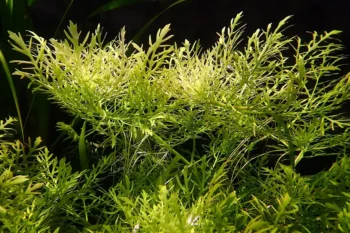
Water-Wisteria: A Feathery Addition to Your Water Garden
If you’ve been dreaming of adding some delicate, lacy foliage to your water feature, Water-Wisteria (Hygrophila difformis) might have caught your eye. This aquatic perennial brings a soft, feathery texture that can transform the look of ponds, bog gardens, and other wet areas. But before you dive in, let’s explore what makes this plant special and whether it’s the right choice for your garden.
What is Water-Wisteria?
Water-Wisteria is a herbaceous perennial that belongs to the forb family – essentially, it’s a non-woody plant that dies back to the ground each year (in cooler climates) but returns from its roots. Don’t let the name fool you – it’s not actually related to the climbing wisteria vine you might know. Instead, this aquatic beauty is all about those gorgeous, deeply divided leaves that look almost like underwater ferns.
Originally from Southeast Asia, Water-Wisteria has made its way to parts of the United States and can now be found growing wild in Florida. As a non-native species that can reproduce on its own in the wild, it’s worth considering both its benefits and potential impacts on local ecosystems.
Geographic Distribution
In the United States, Water-Wisteria has established itself in Florida, where the warm, wet conditions suit it perfectly. Its presence is limited to this single state, making it a relatively uncommon sight for most American gardeners.
- Species observed
- No observations
The Appeal of Water-Wisteria
What draws gardeners to Water-Wisteria is its undeniably attractive foliage. The leaves are bright green and deeply dissected, creating a feathery, almost lace-like appearance that adds incredible texture to water features. When planted en masse, it can create a soft, flowing effect that contrasts beautifully with more structured aquatic plants.
The plant serves as an excellent background or accent plant in water gardens, where its delicate appearance can soften harsh edges and add visual interest without overwhelming other plantings.
Growing Conditions and Care
Water-Wisteria is, as its name suggests, a true water lover. This plant holds an obligate wetland status, meaning it almost always occurs in wetland conditions. Here’s what it needs to thrive:
- Water requirements: Consistently moist to wet soil, or shallow water (1-6 inches deep)
- Light: Full sun to partial shade
- Temperature: Warm conditions; hardy in USDA zones 9-11
- Soil: Boggy, waterlogged soil or aquatic planting medium
Best Uses in the Garden
Water-Wisteria shines in specific garden settings:
- Water gardens and pond margins
- Bog gardens
- Rain gardens in warm climates
- Aquatic container gardens
- Indoor water features (with adequate lighting)
Planting and Care Tips
Getting Water-Wisteria established is relatively straightforward if you can meet its moisture requirements:
- Plant in early spring when water temperatures begin to warm
- Place in shallow water or thoroughly saturated soil
- Ensure good light penetration – murky water won’t do
- Maintain warm water temperatures for best growth
- Propagate through stem cuttings, which root easily
Wildlife and Pollinator Benefits
While specific wildlife benefits of Water-Wisteria aren’t well-documented, aquatic plants generally provide habitat for various small creatures and may support some pollinators. However, native alternatives typically offer more substantial ecological benefits.
Things to Consider
As a non-native species, Water-Wisteria deserves thoughtful consideration. While it’s not currently listed as invasive, its ability to reproduce spontaneously in wild areas means it could potentially impact native plant communities. If you’re passionate about supporting local ecosystems, you might want to explore native alternatives that provide similar aesthetic appeal.
Consider native options like Wild Rice (Zizania species), various native sedges, or regional native aquatic plants that can provide similar textural interest while supporting local wildlife.
The Bottom Line
Water-Wisteria can be a beautiful addition to the right water garden, especially if you’re drawn to its unique feathery foliage and have the warm, wet conditions it craves. Just be mindful of its non-native status and consider whether native alternatives might better serve both your garden goals and local ecosystem health. Whatever you choose, make sure you’re prepared to provide the consistently wet conditions this aquatic beauty demands!