Watercress: The Peppery Aquatic Plant That’s Both Blessing and Concern
If you’ve ever enjoyed the peppery bite of watercress in a salad or sandwich, you might be tempted to grow this flavorful green in your own garden. But before you dive in, there are some important things to know about this aquatic plant that make it both appealing and potentially problematic for North American gardeners.
What is Watercress?
Watercress (Nasturtium officinale) is a perennial aquatic plant that’s native to Europe and Asia. This herbaceous forb produces small, bright green compound leaves and tiny white flowers that bloom in clusters. Despite its common name suggesting a relationship to garden nasturtiums, watercress is actually a member of the mustard family and has that characteristic peppery, slightly bitter taste that makes it popular in culinary applications.
Where Does Watercress Grow?
Here’s where things get interesting – and a bit concerning. While watercress isn’t native to North America, it has established itself across virtually the entire continent. You can find it growing wild in every U.S. state except Hawaii, throughout most Canadian provinces, and even in Puerto Rico and the U.S. Virgin Islands. This widespread distribution is a telltale sign of a plant that’s very good at making itself at home in new places.
- Species observed
- No observations
The Invasive Reality
Before you get excited about adding watercress to your water garden, here’s the important part: watercress is considered potentially invasive and is actually prohibited in Connecticut. This non-native species has a remarkable ability to reproduce spontaneously and persist without any human help, which is exactly what makes it concerning for native ecosystems.
As an obligate wetland plant, watercress almost always occurs in wetland environments across all regions of North America. While this makes it excellent for water gardens and boggy areas, it also means it can easily escape cultivation and establish in natural waterways, potentially outcompeting native aquatic plants.
Growing Characteristics
If you’re still curious about watercress (perhaps for educational purposes or in areas where it’s not restricted), here’s what you should know:
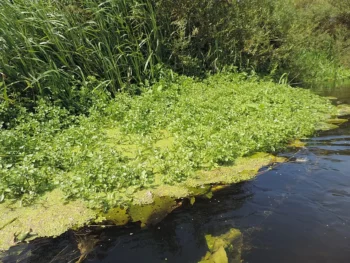
- Growth habit: Low-growing, spreading perennial that forms dense mats
- Water requirements: Needs constantly moist to wet conditions – think shallow streams or bog gardens
- Hardiness: Thrives in USDA zones 3-11, making it adaptable to most climates
- Flowers: Small white blooms that attract minor pollinators like small flies and bees
- Spread: Grows readily from seeds or cuttings and spreads quickly
Why Gardeners Might Want It (But Probably Shouldn’t)
Watercress offers some appealing qualities that explain its popularity:
- Edible leaves with a distinctive peppery flavor
- Attractive bright green foliage
- Excellent ground cover for wet, difficult areas
- Easy to grow and very low maintenance
- Provides some benefits to small pollinators
However, these very qualities that make it appealing also make it problematic. Its aggressive spreading nature and ability to thrive in wetland environments mean it can quickly escape cultivation and establish in natural waterways.
Better Native Alternatives
Instead of planting watercress, consider these native alternatives that provide similar benefits without the ecological concerns:
- Wild ginger – Great ground cover for moist, shaded areas
- Cardinal flower – Beautiful red blooms, loves wet feet
- Monkey flower – Cheerful blooms for bog gardens
- Blue flag iris – Stunning native for water gardens
- Marsh marigold – Early spring blooms in wet areas
The Bottom Line
While watercress might seem like an attractive addition to a water garden or bog area, its invasive potential and non-native status make it a poor choice for responsible gardeners. The plant’s ability to spread rapidly and establish in natural waterways poses real risks to native aquatic ecosystems.
If you’re drawn to the idea of edible water plants, consider focusing on native alternatives or growing watercress only in completely contained systems where it cannot escape. Better yet, explore the many beautiful native plants that can provide similar aesthetic and ecological benefits while supporting local wildlife and maintaining the integrity of our natural landscapes.
Remember, every plant choice we make in our gardens has the potential to impact the broader environment. When it comes to watercress, the responsible choice is usually to admire it from a distance and choose native plants instead.