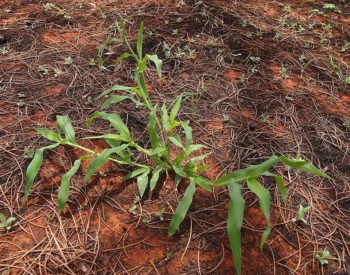
Wattle Signalgrass: What Gardeners Need to Know About This Non-Native Grass
If you’ve stumbled across the term wattle signalgrass while researching plants for your garden, you might be wondering whether this grass deserves a spot in your landscape. Let’s dive into what makes Urochloa piligera tick and whether it’s right for your gardening goals.
The Basics: What Is Wattle Signalgrass?
Wattle signalgrass (Urochloa piligera) is an annual grass that belongs to the large family of grasses and grass-like plants. You might also see it listed under its former scientific names, including Brachiaria piligera. This adaptable grass has made itself at home in parts of the United States, though it’s not originally from here.
Where You’ll Find It Growing
Currently, wattle signalgrass has established itself in Florida, where it grows and reproduces on its own without any help from gardeners. This grass originally hails from Africa and Asia, making it a non-native species that has found the warm climate of the southeastern United States to its liking.
- Species observed
- No observations
The Garden Reality Check
Here’s where things get interesting – and perhaps a bit disappointing for those hoping for a low-maintenance grass option. Wattle signalgrass isn’t exactly what you’d call garden-worthy. This coarse, weedy grass lacks the ornamental appeal that most gardeners seek. It’s the kind of plant that shows up uninvited rather than being intentionally planted.
Since this species reproduces spontaneously in the wild and tends to persist without human intervention, it displays some characteristics that gardeners should approach with caution. While its invasive status isn’t clearly established, its ability to spread and establish itself suggests it could potentially outcompete native plants.
Growing Conditions and Care
If you’re curious about its growing requirements (though we don’t recommend intentional planting), wattle signalgrass is quite adaptable:
- Thrives in USDA hardiness zones 9-11
- Prefers warm, humid climates
- Tolerates various soil types
- Often found in disturbed areas and open spaces
- Requires minimal care once established
Wildlife and Ecological Considerations
As a wind-pollinated grass, wattle signalgrass offers limited benefits to pollinators like bees and butterflies. Its ecological value pales in comparison to native grass species that have co-evolved with local wildlife and provide essential habitat and food sources.
Better Alternatives for Your Garden
Instead of wattle signalgrass, consider these native alternatives that will better support your local ecosystem:
- Native bunch grasses suited to your region
- Indigenous sedges and rushes
- Local wildflower meadow mixes
- Native groundcovers that provide similar coverage
The Bottom Line
While wattle signalgrass might be hardy and low-maintenance, its weedy nature and non-native status make it a poor choice for intentional landscaping. Your garden – and local wildlife – will benefit much more from native plant alternatives that offer beauty, ecological value, and support for local ecosystems. When in doubt, choose native plants that have earned their place in your regional landscape through thousands of years of adaptation.
If you’re dealing with existing wattle signalgrass on your property, consider gradually replacing it with native alternatives that will provide better long-term value for both your garden and the environment.