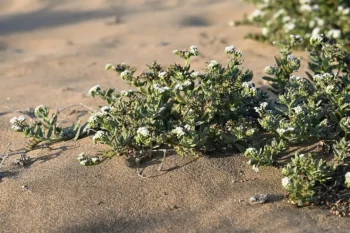
Wavy Heliotrope: A Mysterious Non-Native Perennial
If you’ve stumbled across the name wavy heliotrope (Heliotropium ramosissimum) in your plant research, you’re likely wondering what this mysterious species is all about. Well, you’re not alone in your curiosity – this is one of those plants that seems to fly under the radar, even among seasoned gardeners and botanists.
What is Wavy Heliotrope?
Wavy heliotrope is a perennial forb, which is just a fancy way of saying it’s a non-woody plant that comes back year after year. Like other herbs and forbs, it lacks the thick, woody stems you’d find on shrubs or trees, instead growing fresh herbaceous stems from buds at or below ground level each growing season.
You might also see this plant listed under its botanical synonym, Heliotropium undulatum, though Heliotropium ramosissimum is the currently accepted scientific name.
Where Does It Grow?
Here’s where things get interesting (and a bit puzzling). Wavy heliotrope is documented as growing in Pennsylvania, making it one of the more geographically limited species in the Heliotropium family. As a non-native species that has naturalized in this area, it represents just a tiny slice of North America’s introduced flora.
- Species observed
- No observations
The Mystery Plant Dilemma
Here’s the thing about wavy heliotrope – there’s surprisingly little information available about its specific growing requirements, appearance, or garden performance. This lack of documentation could mean several things:
- It’s an extremely rare species with limited distribution
- It may be easily confused with other Heliotropium species
- It simply hasn’t gained traction in horticultural circles
Should You Grow Wavy Heliotrope?
Given the limited information available about this species and its non-native status, most gardeners would be better served by choosing well-documented native alternatives. While wavy heliotrope isn’t listed as invasive or noxious, the lack of cultivation information makes it a risky choice for your garden.
Native Alternatives to Consider
Instead of gambling on this mysterious species, consider these native options that offer similar perennial herb characteristics:
- Wild bergamot (Monarda fistulosa) – A fragrant native perennial that attracts pollinators
- New England aster (Symphyotrichum novae-angliae) – Provides late-season color and wildlife benefits
- Wild columbine (Aquilegia canadensis) – A delicate native perennial perfect for woodland gardens
The Bottom Line
While wavy heliotrope might sound intriguing, the lack of available growing information and its non-native status make it a questionable choice for most gardens. Your time and garden space are better invested in well-documented native species that will provide reliable performance and ecological benefits. If you’re specifically interested in Heliotropium species, consider researching other members of the family that have better cultivation records – but always verify their appropriateness for your local ecosystem first.
Remember, successful gardening often comes down to choosing the right plant for your specific conditions. When information is scarce, it’s usually wise to stick with proven performers that support local wildlife and ecosystems.