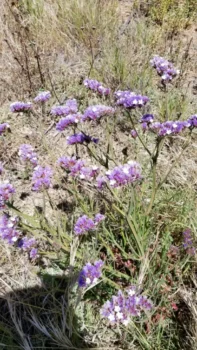
Wavyleaf Sea Lavender: A Colorful Non-Native for Coastal and Drought-Tolerant Gardens
If you’ve ever wandered through a garden center and been captivated by those papery, colorful flowers that seem to shimmer in the breeze, you’ve likely encountered wavyleaf sea lavender (Limonium sinuatum). This Mediterranean beauty has made itself at home in gardens around the world, and it’s easy to see why gardeners are drawn to its vibrant, long-lasting blooms.
What Is Wavyleaf Sea Lavender?
Wavyleaf sea lavender is a perennial forb—essentially a non-woody herbaceous plant that dies back to the ground each year but returns from its roots. Originally from the coastal regions of the Mediterranean, this plant has been introduced to various parts of the world, including California where it now grows wild. You might also see it listed under its old scientific name, Statice sinuata.
As a non-native species that reproduces on its own in the wild, it’s worth considering whether this is the right choice for your garden, especially when there are beautiful native alternatives available.
Where Does It Grow?
In the United States, wavyleaf sea lavender has established itself primarily in California, where it thrives in the Mediterranean-like climate. It’s particularly well-adapted to coastal conditions and can be found growing wild in these areas.
- Species observed
- No observations
What Makes It Appealing?
There’s no denying that wavyleaf sea lavender has serious visual appeal. Here’s what draws gardeners to this plant:
- Vibrant, papery bracts in shades of purple, pink, white, and yellow
- Excellent for fresh cut flowers and even better for dried arrangements
- Long blooming period throughout the growing season
- Drought tolerance once established
- Low maintenance requirements
Garden Role and Landscape Uses
Wavyleaf sea lavender works well in several garden settings:
- Cut flower gardens where you want reliable blooms for arrangements
- Mediterranean or xeriscaped landscapes
- Coastal gardens where it can handle salt spray and sandy conditions
- Rock gardens or areas with poor, well-draining soil
Growing Conditions and Care
One of the reasons this plant has spread so successfully is that it’s remarkably easy to grow. Here are the basics:
Ideal Conditions:
- Full sun exposure
- Well-draining, sandy or rocky soil
- USDA hardiness zones 8-10 (though often grown as an annual in cooler areas)
- Tolerates poor soil and drought conditions
Planting and Care Tips:
- Start from seed in spring after the last frost
- Space plants about 12-18 inches apart
- Water regularly until established, then reduce watering significantly
- Deadhead spent flowers to encourage continued blooming
- Requires minimal fertilization—too much can actually reduce flowering
Wetland Considerations
Interestingly, despite its drought tolerance, wavyleaf sea lavender is classified as a facultative wetland plant in several regions, meaning it usually occurs in wetlands but can also thrive in non-wetland conditions. This adaptability is part of what makes it so successful in various environments.
Wildlife and Pollinator Benefits
While flowering, wavyleaf sea lavender does attract bees and butterflies, providing some pollinator support. However, as a non-native species, it doesn’t offer the same ecological benefits as native plants that have co-evolved with local wildlife.
Should You Plant It?
The decision to grow wavyleaf sea lavender comes down to your gardening priorities. If you’re looking for a reliable, low-maintenance plant for cut flowers and dried arrangements, it certainly delivers. However, if supporting native ecosystems is important to you, consider these native alternatives:
- Native Limonium species in your region
- Local native wildflowers that provide similar colors and textures
- Indigenous plants that offer better support for local pollinators and wildlife
If you do choose to grow wavyleaf sea lavender, be mindful of its ability to self-seed and spread. Regular deadheading will not only keep your plants looking good but also prevent unwanted spread into natural areas.
The Bottom Line
Wavyleaf sea lavender is an attractive, easy-to-grow plant that can add color and texture to the right garden setting. While it’s not native and doesn’t provide the same ecological benefits as indigenous plants, it’s not currently listed as invasive either. If you’re drawn to its papery blooms and drought tolerance, it can be a reasonable choice for Mediterranean-style gardens, cut flower beds, or coastal landscapes—just be sure to keep it contained and consider native alternatives that might serve your garden goals just as well.