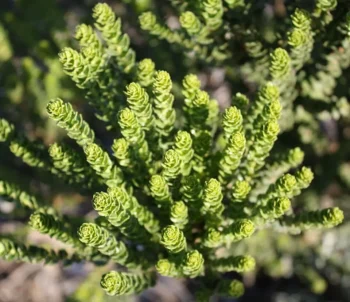
Waxberry (Morella cordifolia): A Mysterious Member of the Wax Myrtle Family
If you’ve stumbled across the name waxberry or Morella cordifolia in your native plant research, you might be scratching your head trying to find solid information about this particular species. You’re not alone! This plant presents something of a botanical puzzle that’s worth exploring.
What We Know About Waxberry
Morella cordifolia, commonly called waxberry, belongs to the wax myrtle family and was formerly classified under the genus Myrica (specifically as Myrica cordifolia L.). Like other members of its family, it’s likely a woody shrub, but here’s where things get tricky – reliable, specific information about this exact species is surprisingly scarce in most botanical databases and gardening resources.
The Geographic Mystery
While we know waxberry exists in botanical literature, pinning down its exact native range and distribution proves challenging. This lack of clear geographic information makes it difficult to determine where this plant naturally occurs and whether it might be suitable for your specific location.
Should You Plant Waxberry?
Here’s the honest truth: with limited information available about Morella cordifolia’s specific growing requirements, native status, and ecological role, it’s tough to make a confident recommendation either way. Without clear data on its:
- Hardiness zones
- Preferred growing conditions
- Mature size and growth habit
- Wildlife and pollinator benefits
- Native range and status
You’d essentially be gardening in the dark.
Better-Documented Alternatives
Instead of wrestling with the unknowns of Morella cordifolia, consider these well-documented native alternatives from the same plant family:
- Northern Bayberry (Morella pensylvanica) – Hardy, salt-tolerant shrub perfect for coastal gardens
- Southern Wax Myrtle (Morella cerifera) – Evergreen shrub excellent for wildlife habitat
- Sweet Gale (Myrica gale) – Wetland-loving shrub with aromatic foliage
These species offer similar characteristics to what you might expect from waxberry, but with the advantage of extensive growing information, proven track records in gardens, and well-documented native ranges.
The Bottom Line
While Morella cordifolia might sound intriguing, the lack of reliable growing information makes it a risky choice for most gardeners. Your time and garden space are valuable – why not invest in native plants with proven benefits and clear care instructions?
If you’re specifically interested in wax myrtles for their wildlife benefits, salt tolerance, or unique waxy berries, stick with the well-documented species. You’ll get all the benefits you’re looking for, plus the peace of mind that comes with choosing plants backed by solid horticultural knowledge.
Sometimes in gardening, as in life, the mysterious option isn’t always the best option!