Waxy Bedstraw: A Delicate European Groundcover for North American Gardens
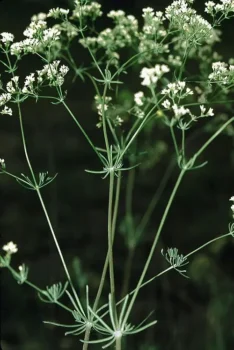
If you’re looking for a low-growing plant with tiny white flowers and an old-world charm, waxy bedstraw (Galium glaucum) might catch your eye. This delicate perennial has made its way from European gardens to scattered locations across North America, bringing with it a subtle beauty that’s both understated and enduring.
What Exactly is Waxy Bedstraw?
Waxy bedstraw is a perennial forb—essentially a non-woody plant that comes back year after year. You might also see it listed under its scientific synonyms Asperula galioides or Asperula glauca in older gardening references. This low-growing plant produces small clusters of white flowers and has narrow leaves arranged in distinctive whorls around square stems, which is characteristic of the bedstraw family.
Where Does It Grow?
Originally native to Europe and western Asia, waxy bedstraw is considered non-native in North America. It has naturalized in several locations, including parts of Ontario and Quebec in Canada, as well as Connecticut and New Jersey in the United States. The plant reproduces on its own in these areas and has established persistent populations.
- Species observed
- No observations
Why Consider (or Not Consider) Waxy Bedstraw?
Waxy bedstraw offers several appealing qualities for gardeners:
- Low-maintenance groundcover that thrives in well-drained soils
- Drought tolerant once established
- Delicate white flowers provide subtle seasonal interest
- Hardy in USDA zones 4-8
- Works well in rock gardens and naturalized areas
However, since it’s non-native, you might want to consider native alternatives that provide similar benefits while supporting local ecosystems. Native bedstraws like northern bedstraw (Galium boreale) or fragrant bedstraw (Galium triflorum) offer comparable groundcover qualities with the added bonus of supporting native pollinators and wildlife.
Growing Waxy Bedstraw Successfully
If you decide to grow waxy bedstraw, you’ll find it’s refreshingly easy to care for:
- Light: Full sun to partial shade
- Soil: Well-drained soils; avoid waterlogged conditions
- Water: Drought tolerant once established, but appreciates occasional watering during dry spells
- Maintenance: Very low maintenance once established
Planting and Care Tips
Waxy bedstraw is wonderfully low-fuss. Plant it in spring after the last frost, giving it space to spread naturally. The plant self-seeds readily and can also spread through underground stems, so keep this in mind when choosing its location. It’s perfect for rock gardens, Mediterranean-style landscapes, or naturalized areas where you want something delicate but self-sufficient.
Since it’s drought tolerant, avoid overwatering—this plant actually prefers to dry out between waterings. Very little pruning or fertilizing is needed, making it ideal for gardeners who prefer a hands-off approach.
The Bottom Line
Waxy bedstraw is an attractive, low-maintenance option for gardeners seeking a delicate groundcover. While it brings European charm to North American gardens, consider exploring native alternatives that offer similar aesthetic appeal while better supporting local wildlife and ecosystems. Whatever you choose, you’ll appreciate having a reliable, drought-tolerant plant that asks for very little but gives quiet beauty in return.