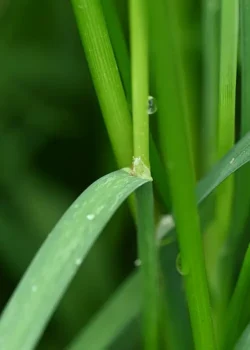
Waxy Mannagrass: A Wetland Grass for Specialized Gardens
If you’re designing a wetland garden or need a grass that thrives in consistently soggy conditions, you might have come across waxy mannagrass (Glyceria declinata). This perennial grass has carved out a niche in North American wetlands, though it’s not originally from around here. Let’s dive into what makes this grass tick and whether it deserves a spot in your landscape.
Getting to Know Waxy Mannagrass
Waxy mannagrass is exactly what it sounds like – a grass with a somewhat waxy appearance that belongs to the mannagrass family. As a perennial grass, it comes back year after year, forming clumps of narrow, linear leaves that sway gently in wetland breezes. Don’t expect flashy flowers here; like most grasses, it produces modest panicle seed heads that appear in late spring to early summer.
Where You’ll Find It Growing
Originally hailing from Europe and parts of Asia, waxy mannagrass has made itself at home in scattered locations across North America. You can find established populations in British Columbia, Louisiana, Nevada, New York, North Carolina, and Texas – quite the geographic spread! This grass has proven it can adapt to various climates, from the humid Southeast to the arid West.
- Species observed
- No observations
The Non-Native Reality
Here’s the thing about waxy mannagrass – it’s not native to North America. This European import has naturalized in various regions, reproducing on its own without human help. While it’s not currently listed as invasive or noxious, it’s worth considering native alternatives that provide similar benefits while supporting local ecosystems.
Where Waxy Mannagrass Feels at Home
This grass has very specific housing preferences – it wants its feet wet! Waxy mannagrass thrives in:
- Wetland gardens and bog areas
- Rain gardens that collect runoff
- Pond margins and water feature edges
- Naturally wet areas of your landscape
- Restoration projects for degraded wetlands
The plant’s wetland status varies by region, ranging from facultative wetland (usually in wetlands but occasionally elsewhere) to obligate wetland (almost always in wetlands) in the Northcentral and Northeast regions.
Growing Conditions and Care
If you’re determined to grow waxy mannagrass, here’s what it needs:
- Moisture: Consistently moist to wet soil is non-negotiable
- Light: Full sun to partial shade
- Soil: Tolerates various soil types as long as they stay wet
- Climate: Hardy in USDA zones 3-9
- Maintenance: Minimal once established – this grass knows how to take care of itself
The good news is that once you get it established in the right conditions, waxy mannagrass is fairly low-maintenance. It may self-seed in appropriate wetland conditions, so keep an eye on its spread if that’s a concern.
Wildlife and Pollinator Value
As a wind-pollinated grass, waxy mannagrass doesn’t offer much in the way of nectar for pollinators. However, like other wetland grasses, it may provide some habitat value for wetland wildlife, though specific benefits aren’t well-documented for this species.
Should You Plant It?
The question of whether to plant waxy mannagrass comes down to your specific needs and conservation philosophy. If you have a wetland area that needs vegetation and native options aren’t readily available, it could serve a functional purpose. However, consider exploring native wetland grasses first – species like wild rice, bluejoint grass, or various native sedges might provide similar benefits while supporting local wildlife.
If you do choose to plant waxy mannagrass, be mindful of its potential to naturalize and monitor its spread. And remember – the best wetland garden is one that includes a diverse mix of plants, preferably with native species taking the lead role.
The Bottom Line
Waxy mannagrass is a functional, if unremarkable, wetland grass that can fill a specific niche in water-loving landscapes. While it’s not problematic enough to avoid entirely, it’s worth exploring native alternatives first. If you’re passionate about authentic native gardening, there are likely better options for your wetland dreams. But if you need something that works in consistently soggy conditions and native options aren’t available, this European transplant might just fit the bill.