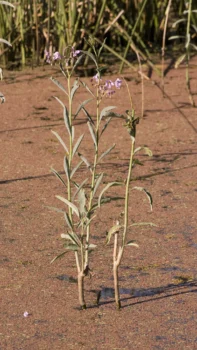
Waxyleaf Nightshade: A Non-Native Plant to Avoid in Your Garden
If you’ve stumbled across the name waxyleaf nightshade while researching plants for your garden, you might want to pump the brakes before adding this species to your wishlist. While Solanum glaucophyllum might sound intriguing, this non-native perennial comes with some serious red flags that make it a poor choice for home gardeners.
What Is Waxyleaf Nightshade?
Waxyleaf nightshade (Solanum glaucophyllum) is a perennial herb that belongs to the nightshade family. You might also see it listed under its botanical synonym, Solanum glaucum Dunal. As a forb, it’s a non-woody plant that grows from the ground up each year, lacking the significant woody tissue you’d find in shrubs or trees.
Where Does It Come From?
Here’s where things get interesting—and not in a good way. Waxyleaf nightshade isn’t native to the United States. This South American transplant has established itself in Florida, where it now reproduces on its own in the wild without any human assistance. When a non-native plant starts spreading independently, it’s usually cause for concern.
- Species observed
- No observations
Why You Should Think Twice
There are several compelling reasons why waxyleaf nightshade doesn’t belong in your garden:
- Non-native origins: As an introduced species, it doesn’t support local ecosystems the way native plants do
- Toxic properties: Like many nightshades, this plant contains compounds that can be harmful to humans and animals
- Unknown invasive potential: While not officially classified as invasive yet, its ability to establish wild populations is concerning
- Limited garden value: It offers little in terms of ornamental appeal or beneficial garden functions
What About Wildlife and Pollinators?
Unfortunately, we don’t have solid data on what benefits (if any) waxyleaf nightshade provides to wildlife or pollinators. Given its toxic nature and non-native status, it’s unlikely to be a significant food source for native species. Our local critters evolved alongside native plants, not South American imports.
Better Native Alternatives
Instead of rolling the dice with waxyleaf nightshade, why not choose native Florida plants that actually support your local ecosystem? Consider these fantastic alternatives:
- Wild coffee (Psychotria nervosa): A native shrub with attractive berries that birds love
- Firebush (Hamelia patens): Orange-red tubular flowers that butterflies and hummingbirds adore
- Coontie (Zamia integrifolia): A unique native cycad that’s both drought-tolerant and fascinating
The Bottom Line
While waxyleaf nightshade might grow successfully in Florida’s warm climate (USDA zones 9-11), that doesn’t mean it should. With its non-native status, toxic properties, and questionable garden value, this is one plant that’s better left out of your landscape plans.
When in doubt, go native! Your local wildlife, pollinators, and ecosystem will thank you for choosing plants that belong in your region. Plus, you’ll avoid the headaches that can come with introducing potentially problematic species to your garden.