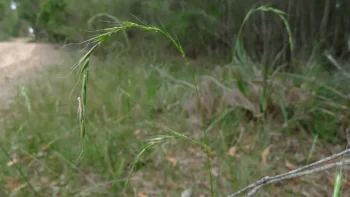
Weeping Grass: A Graceful Ground Cover Worth Considering
If you’re looking for a soft, flowing grass that adds movement and texture to your garden, weeping grass (Microlaena stipoides) might catch your eye. Also known as meadow ricegrass, this perennial grass creates beautiful, arching clumps that sway gently in the breeze—hence the weeping name that perfectly captures its graceful nature.
What Exactly Is Weeping Grass?
Weeping grass is a perennial grass species that belongs to the larger family of grasses and grass-like plants. Originally hailing from Australia and New Zealand, this adaptable plant has found its way to other parts of the world, including Hawaii, where it has established itself quite successfully.
You might also see this plant listed under its former scientific name, Ehrharta stipoides, in older gardening references or plant catalogs.
Where Does It Grow?
In the United States, weeping grass has primarily established itself in Hawaii, where it grows as a non-native species that reproduces on its own in the wild. While it’s not originally from these islands, it has adapted well to the local conditions.
- Species observed
- No observations
The Garden Appeal
What makes weeping grass appealing to gardeners is its fine-textured, flowing appearance. The grass forms attractive clumps with arching foliage that creates a soft, naturalized look in the landscape. It works particularly well in:
- Meadow-style gardens
- Naturalized landscapes
- Areas where you need erosion control
- Ground cover applications
Growing Conditions and Care
One of weeping grass’s strong points is its adaptability. This hardy perennial can handle a range of growing conditions, though it does have some preferences:
- Soil: Adaptable to various soil types but prefers well-draining conditions
- Moisture: Enjoys consistent moisture but won’t tolerate waterlogged conditions
- Hardiness: Thrives in USDA zones 8-11
- Maintenance: Generally low-maintenance once established
Thanks to its facultative wetland status in Hawaii, weeping grass can grow in both wetland and non-wetland areas, making it quite versatile for different garden situations.
Planting and Care Tips
Growing weeping grass successfully is relatively straightforward:
- Plant in spring or fall when temperatures are moderate
- Choose a location with good drainage
- Water regularly during establishment
- Once established, it becomes quite drought-tolerant
- Be aware that it may self-seed in favorable conditions
Things to Consider
Before adding weeping grass to your garden, keep in mind that it’s not native to most areas where it’s grown. While it’s not currently listed as invasive or noxious, it’s always worth considering native alternatives that provide similar aesthetic benefits while supporting local ecosystems.
For gardeners interested in native grasses with similar appeal, research indigenous grass species in your area that offer comparable texture and movement in the landscape.
The Bottom Line
Weeping grass offers gardeners an attractive, low-maintenance option for adding soft texture and movement to naturalized landscapes. Its graceful, arching habit and adaptability make it a practical choice for many garden situations. Just remember to consider how it fits into your local ecosystem and whether native alternatives might serve your garden—and local wildlife—even better.
Whether you choose weeping grass or explore native options, the key is creating a garden that brings you joy while being mindful of the broader environmental picture.