Weeping Lovegrass: A Beautiful Grass You Should Think Twice About Planting
If you’ve come across weeping lovegrass (Eragrostis curvula) in your research for the perfect ornamental grass, you might be drawn to its graceful, fountain-like appearance and impressive drought tolerance. Also known as Boer love grass, this perennial bunch grass has certainly made its mark across American landscapes. But before you add it to your shopping cart, there’s an important story you need to hear.
What Is Weeping Lovegrass?
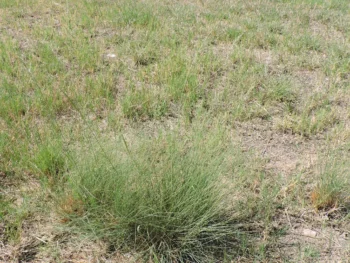
Weeping lovegrass is a perennial bunch grass that forms dense, fountain-like clumps reaching up to 3 feet tall. True to its name, this grass has a distinctly weeping or drooping growth habit with fine-textured green foliage that creates an elegant, cascading effect. During its active growing period in summer, it produces small yellow flowers that later develop into brown seeds.
Originally hailing from South Africa, this graminoid (that’s botanist-speak for grass-like plant) has found its way into landscapes across America, often marketed for its exceptional drought tolerance and rapid growth rate.
The Spread Across America
Weeping lovegrass has established itself in an impressive 33 states plus Puerto Rico, including Alabama, Arizona, Arkansas, California, Colorado, Delaware, Florida, Georgia, Hawaii, Illinois, Kansas, Kentucky, Louisiana, Maryland, Massachusetts, Mississippi, Missouri, New Jersey, New Mexico, New York, North Carolina, Ohio, Oklahoma, Oregon, Pennsylvania, South Carolina, Tennessee, Texas, Utah, Virginia, Washington, and West Virginia.
- Species observed
- No observations
The Problem: It’s More Than Just Non-Native
Here’s where things get concerning. While weeping lovegrass isn’t native to North America, that alone wouldn’t necessarily make it a bad choice. However, this grass has been classified as invasive in Delaware, meaning it reproduces spontaneously in the wild and tends to persist without human intervention. When a plant earns an invasive label, it’s because it’s causing ecological harm by outcompeting native species and disrupting local ecosystems.
The grass’s rapid growth rate and high seed production (with an astounding 1,482,320 seeds per pound!) make it particularly good at spreading and establishing in new areas. Once it takes hold, it can be difficult to control or remove.
Growing Conditions and Hardiness
If you’re wondering why this grass has been so successful at spreading, its growing requirements tell the story. Weeping lovegrass is remarkably adaptable and tough:
- USDA Hardiness Zones: Approximately 7-10 (tolerates temperatures down to -8°F)
- Drought tolerance: High – thrives with just 15-40 inches of annual precipitation
- Soil preferences: Adaptable to coarse and medium-textured soils, pH range of 4.5-8.5
- Sun requirements: Full sun (shade intolerant)
- Maintenance: Extremely low once established
Wildlife Considerations
While weeping lovegrass does provide some wildlife value – contributing about 5-10% of the diet for large animals – it doesn’t offer the specialized benefits that native grasses provide to local wildlife, particularly insects and the birds that depend on them.
Our Recommendation: Choose Native Alternatives Instead
Given its invasive status in Delaware and potential for ecological disruption elsewhere, we strongly recommend choosing native grass alternatives that can provide similar aesthetic appeal without the environmental risks. Consider these beautiful native options:
- Little bluestem (Schizachyrium scoparium): Gorgeous fall color and excellent wildlife value
- Buffalo grass (Bouteloua dactyloides): Extremely drought tolerant for western regions
- Prairie dropseed (Sporobolus heterolepis): Fragrant and beautiful with excellent drought tolerance
- Switchgrass (Panicum virgatum): Tall, architectural grass perfect for naturalized landscapes
The Bottom Line
While weeping lovegrass might seem like an attractive, low-maintenance option for drought-prone areas, its invasive potential makes it a risky choice for responsible gardeners. The good news? There are plenty of native grasses that can give you the same drought tolerance and visual appeal while supporting your local ecosystem. When we choose native plants, we’re not just creating beautiful gardens – we’re helping preserve the intricate web of life that makes our local environments unique and resilient.
Remember: every plant choice we make is a vote for the kind of landscape we want to see in the future. Let’s vote for biodiversity, ecological health, and the beauty of native plants!