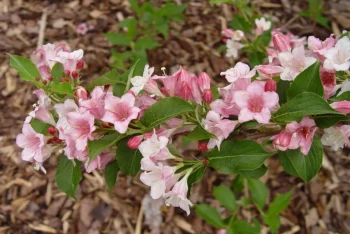
Weigela: A Spring-Blooming Shrub That Brings Color to Your Garden
If you’re looking for a shrub that puts on a spectacular spring show, weigela might just catch your eye. This deciduous shrub bursts into bloom with trumpet-shaped flowers that seem to cover every branch, creating a stunning display that’s hard to ignore. But before you rush to the garden center, let’s dig into what makes this plant tick and whether it’s the right choice for your landscape.
What Exactly Is Weigela?
Weigela is a genus of flowering shrubs that belongs to the honeysuckle family. These perennial, multi-stemmed woody plants typically grow to be 4-5 meters (13-16 feet) tall, though most garden varieties stay much more manageable. With their arching branches and abundant blooms, they’ve become popular ornamental plants in many American gardens.
You might occasionally see this plant referred to by its synonym Weigelia, but don’t let that confuse you – it’s the same wonderful shrub either way.
Where Does Weigela Come From?
Here’s where things get interesting: weigela isn’t native to North America. These shrubs originally hail from East Asia, including China, Korea, Japan, eastern Siberia, and far eastern Russia. They were introduced to American gardens and have since established themselves in the wild in several states, including Connecticut, Georgia, Massachusetts, New York, Pennsylvania, and Tennessee, where they reproduce without human intervention.
- Species observed
- No observations
The Appeal of Weigela
So what makes gardeners fall for weigela? The answer is simple: pure flower power. In late spring to early summer, these shrubs transform into floral fountains, with trumpet-shaped blooms in shades of pink, red, white, or yellow covering their arching branches. Some varieties even offer the bonus of colorful foliage – think deep burgundy or bright chartreuse leaves that provide interest even when the plant isn’t blooming.
Growing Weigela Successfully
The good news is that weigela is refreshingly easy to grow, which explains why it’s become such a garden staple. Here’s what you need to know:
Ideal Growing Conditions
- Sunlight: Full sun to partial shade (more sun equals more flowers)
- Soil: Well-drained soil is key – these shrubs don’t appreciate wet feet
- Water: Moderate water needs; drought tolerant once established
- Climate: Hardy in USDA zones 4-8
Planting and Care Tips
Weigela is wonderfully low-maintenance once you get it established. Plant it in spring or fall, giving it plenty of space to spread out – these shrubs like to show off their natural arching form. Water regularly during the first year, then you can pretty much let Mother Nature take over.
The most important maintenance task? Pruning right after flowering. Since weigela blooms on old wood, pruning at the wrong time means sacrificing next year’s flower show. Remove about one-third of the oldest branches each year to keep the shrub looking its best.
Wildlife and Pollinator Benefits
Those trumpet-shaped flowers aren’t just pretty – they’re also pollinator magnets. Hummingbirds, butterflies, and bees all appreciate the nectar that weigela provides during its blooming period. This makes it a valuable addition to pollinator gardens, even if it’s not native to our continent.
Landscape Design Ideas
Weigela works beautifully in several garden settings:
- Mixed shrub borders: Combines well with other flowering shrubs
- Foundation plantings: Provides seasonal interest near your home
- Cottage gardens: Fits perfectly with the informal, abundant style
- Traditional landscapes: A reliable performer in classic garden designs
Should You Plant Weigela?
While weigela isn’t native to North America, it’s not currently listed as invasive or problematic in most areas. If you’re drawn to its spring flower display and easy care requirements, it can certainly earn its place in your garden. However, if supporting native wildlife is your primary goal, you might want to consider native alternatives that provide similar benefits.
Some excellent native shrubs that offer comparable spring beauty include native azaleas, elderberry, or spicebush – all of which provide nectar for pollinators while supporting the broader web of native insects and wildlife that depend on indigenous plants.
The Bottom Line
Weigela is an undeniably beautiful, easy-to-grow shrub that brings reliable spring color to the garden. While it may not have the deep ecological connections of native plants, it does offer nectar for pollinators and requires minimal fuss once established. Whether you choose weigela or opt for native alternatives, the most important thing is creating a garden that brings you joy while supporting the creatures that share our outdoor spaces.