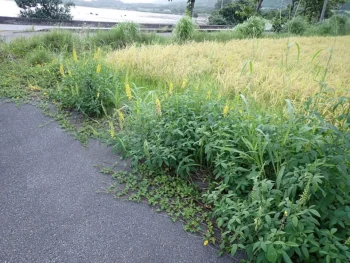
West Indian Rattlebox: A Quirky Annual with Musical Seed Pods
Looking for a plant that literally makes music in your garden? Meet the West Indian rattlebox (Crotalaria trichotoma), an annual herb that produces cheerful yellow flowers followed by inflated seed pods that actually rattle when shaken. While this isn’t a native plant to North America, it has found a home in warmer regions and offers unique garden appeal for those seeking something a bit different.
What is West Indian Rattlebox?
West Indian rattlebox is an annual forb—basically a non-woody herbaceous plant that completes its entire life cycle in one growing season. Originally from tropical Africa and Madagascar, this member of the pea family has established itself in parts of the southern United States. You might also see it listed under its botanical synonyms Crotalaria usaramoensis or Crotalaria zanzibarica in some older references.
Where Does It Grow?
In North America, you’ll find West Indian rattlebox growing wild in Florida and Puerto Rico, where it has naturalized and reproduces on its own. The plant thrives in these warm, humid climates and has adapted well to local growing conditions.
- Species observed
- No observations
Why Gardeners Choose (or Skip) This Plant
The main draw of West Indian rattlebox is definitely its novelty factor. The plant produces small, bright yellow pea-like flowers arranged in upright clusters, creating a cheerful display throughout the growing season. But the real showstopper comes after flowering—those distinctive inflated seed pods that give the plant its common name. When mature and dry, these pods contain loose seeds that create a delightful rattling sound when disturbed by wind or curious gardeners.
However, since this isn’t a native species, some gardeners prefer to stick with indigenous alternatives that better support local ecosystems. If you’re focused on native gardening, consider plants like wild senna (Senna hebecarpa) or partridge pea (Chamaecrista fasciculata), which offer similar yellow flowers and interesting seed pods while supporting native wildlife.
Garden Design and Landscape Use
West Indian rattlebox works well in several garden settings:
- Annual borders for seasonal color and texture
- Cottage gardens where quirky plants are welcomed
- Wildlife gardens (though native alternatives are preferable)
- Container gardens for patios and decks
- Children’s gardens where the rattling pods provide interactive fun
Growing Conditions and Care
This is definitely a low-maintenance plant that thrives in USDA hardiness zones 9-11 year-round. In cooler zones, you can grow it as a summer annual. Here’s what West Indian rattlebox prefers:
- Sunlight: Full sun for best flowering and pod development
- Soil: Well-draining soil; tolerates poor soils once established
- Water: Drought tolerant after establishment, but regular watering promotes better growth
- Space: Allow adequate spacing as plants can spread during the growing season
Planting and Care Tips
Growing West Indian rattlebox is refreshingly straightforward:
- Start from seed either indoors 6-8 weeks before the last frost or direct sow after all danger of frost has passed
- Barely cover seeds as they need some light to germinate
- Keep soil consistently moist until germination occurs
- Once established, the plants are quite drought tolerant and require minimal care
- Deadhead spent flowers if you want continued blooming, or leave them to develop the signature rattling pods
Benefits for Pollinators and Wildlife
The bright yellow flowers do attract bees and butterflies seeking nectar, providing some pollinator benefits during the blooming period. However, since this isn’t a native plant, it doesn’t offer the same level of ecological support as indigenous species that co-evolved with local wildlife.
The Bottom Line
West Indian rattlebox can be a fun addition to gardens where gardeners appreciate unusual plants and don’t mind non-native species. Its cheerful flowers and entertaining seed pods make it a conversation starter, and its easy-care nature appeals to busy gardeners. However, if your goal is supporting native ecosystems and wildlife, consider exploring native alternatives that offer similar aesthetic appeal while providing better ecological benefits. Whatever you choose, remember that the best garden is one that brings you joy while being mindful of its environmental impact.