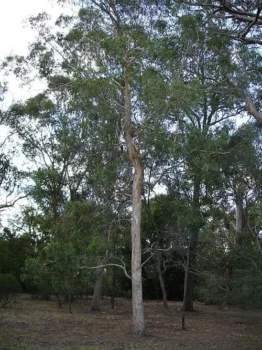
Western Australian Floodedgum: A Towering Non-Native with Mixed Garden Potential
Meet the Western Australian floodedgum (Eucalyptus rudis), a impressive perennial tree that’s made its way from the land down under to establish itself in Hawaii’s landscape. While this eucalyptus species brings some appealing qualities to the table, it’s important to understand both its benefits and potential drawbacks before deciding if it belongs in your garden.
What Exactly Is the Western Australian Floodedgum?
The Western Australian floodedgum is a non-native tree species that has successfully established itself in Hawaii, where it now reproduces naturally without human intervention. This robust tree typically grows as a single-stemmed giant, reaching heights greater than 13-16 feet, though environmental conditions can sometimes encourage a more multi-stemmed, shorter growth form.
Where Does It Come From and Where Does It Grow Now?
Originally hailing from southwestern Western Australia, particularly around Perth and coastal regions, this eucalyptus has found a new home in Hawaii. In its current range, you’ll find it growing throughout the Hawaiian islands, where it has adapted quite well to local conditions.
- Species observed
- No observations
The Garden Appeal: What Makes This Tree Attractive
There’s no denying that the Western Australian floodedgum has some eye-catching qualities that might appeal to gardeners:
- Striking bark that sheds in patches, revealing a beautiful mottled pattern of cream, gray, and pinkish tones
- Clusters of white flowers that add visual interest
- Fast growth rate for those wanting quick results
- Excellent shade provider once mature
- Drought tolerance after establishment
Growing Conditions and Care
If you’re considering this tree, here’s what it needs to thrive:
- Sunlight: Full sun exposure for best growth
- Soil: Well-draining soils of various types
- Water: Regular watering when young, drought tolerant once established
- Climate: Thrives in USDA hardiness zones 9-11
- Space: Needs plenty of room to reach its full potential
Wetland Considerations
In Hawaii, this species has a Facultative Upland wetland status, meaning it usually grows in non-wetland areas but can occasionally pop up in wetland environments. This flexibility contributes to its adaptability in various Hawaiian landscapes.
Wildlife and Pollinator Benefits
The white flower clusters do attract bees and other pollinators, providing some nectar sources. However, as a non-native species, it may not offer the same specialized benefits that native Hawaiian plants provide to local wildlife.
Should You Plant It? The Honest Assessment
Here’s where things get interesting. While the Western Australian floodedgum isn’t currently listed as invasive or noxious in Hawaii, its ability to reproduce and persist naturally in the wild raises some questions about long-term ecological impact. As a responsible gardener, you’ll want to weigh several factors:
Consider planting if:
- You have a large property with plenty of space
- You’re looking for a fast-growing shade tree
- You appreciate the distinctive eucalyptus aesthetic
- You live in a suitable climate zone (9-11)
Think twice if:
- You have limited space (this tree gets big!)
- You’re concerned about supporting non-native species
- You prefer plants that specifically benefit native wildlife
Native Hawaiian Alternatives to Consider
If you love the idea of a large, impressive tree but want to support native ecosystems, consider these beautiful Hawaiian alternatives:
- Koa (Acacia koa) – A magnificent native tree with cultural significance
- Wiliwili (Erythrina sandwicensis) – Stunning native tree with orange flowers
- Kukui (Aleurites moluccanus) – The state tree of Hawaii with silvery foliage
Planting and Care Tips
If you decide to move forward with the Western Australian floodedgum, here are some practical tips for success:
- Plant in spring for best establishment
- Choose a location with plenty of room for growth – think decades ahead!
- Water regularly during the first year, then gradually reduce
- Minimal fertilization needed once established
- Prune only when necessary, as eucalyptus trees generally prefer minimal intervention
- Be prepared for rapid growth – this isn’t a slow and steady tree
The Bottom Line
The Western Australian floodedgum is a striking tree that can provide excellent shade and visual appeal in the right setting. While it’s not currently classified as problematic, thoughtful gardeners might want to explore native Hawaiian alternatives first. If you do choose to plant this eucalyptus, make sure you have the space and commitment to manage a large, fast-growing tree responsibly.
Remember, every plant choice is a vote for the kind of landscape ecosystem you want to support. Whether you go native or choose this attractive non-native option, the key is making an informed decision that works for your specific situation and values.