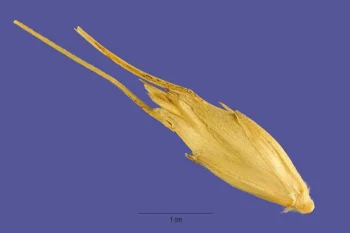
Triticum militinae: The Mysterious Wheat Species That’s Hard to Pin Down
If you’ve stumbled across the name Triticum militinae while researching wheat species for your garden, you’re probably scratching your head right about now. Don’t worry – you’re not alone! This particular member of the wheat family is something of an enigma in the plant world.
What We Know (And Don’t Know) About This Wheat
Triticum militinae belongs to the grass family (Poaceae), which means it shares characteristics with other grasses, sedges, and grass-like plants. As part of the Triticum genus, it’s related to the wheat species we’re more familiar with. However, here’s where things get tricky – reliable information about this specific species is surprisingly scarce.
The native status and geographical distribution of Triticum militinae remain unclear, making it difficult to provide specific growing recommendations or determine whether it would be appropriate for native gardening projects.
Should You Plant It in Your Garden?
Here’s our honest take: without clear information about this plant’s native range, growth habits, or potential invasive tendencies, we’d recommend proceeding with caution. If you’re interested in incorporating wheat-family plants into your landscape, consider these alternatives:
- Research well-documented native grass species in your area
- Consult with local native plant societies or extension offices
- Consider other Triticum species with established growing information
- Explore native bunch grasses that provide similar aesthetic appeal
The Importance of Plant Identification
This situation highlights why proper plant identification is so crucial in gardening. Before adding any plant to your landscape, especially one with limited documentation, it’s worth double-checking:
- The accuracy of the plant name
- Its native status in your region
- Any potential invasive characteristics
- Appropriate growing conditions
What to Do Next
If you’re specifically interested in Triticum militinae, we’d suggest reaching out to botanical experts, university herbaria, or specialized grass researchers who might have more detailed information about this species. They can help verify the plant’s identity and provide guidance on whether it’s suitable for cultivation.
In the meantime, focus on well-documented native grasses that will provide reliable beauty and ecological benefits to your garden. Your local native plant society can point you toward grass species that are known to thrive in your area while supporting local wildlife.
Remember, successful native gardening is all about choosing the right plants for your specific location – and that starts with having solid information about what you’re planting!