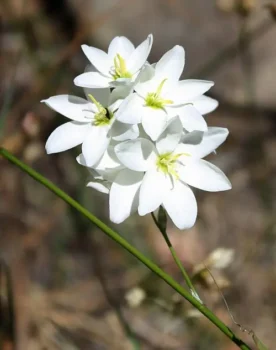
White-and-Yellow-Flower Cornlily: A Delicate Spring Bloomer for Mediterranean Gardens
If you’re drawn to delicate spring flowers that add a touch of South African charm to your garden, the white-and-yellow-flower cornlily (Ixia polystachya) might catch your eye. This petite perennial bulb produces graceful spikes of bicolored blooms that dance in the spring breeze, bringing an understated elegance to drought-tolerant landscapes.
What Is White-and-Yellow-Flower Cornlily?
White-and-yellow-flower cornlily is a small bulbous perennial that belongs to the iris family. As a forb—basically a fancy term for a non-woody flowering plant—it grows from underground bulbs and produces slender stems topped with clusters of small, star-shaped flowers. The blooms typically feature white petals with bright yellow centers, creating a cheerful two-toned display in spring.
Where Does It Grow?
Originally from South Africa’s Cape region, this plant has found a home in California, where the Mediterranean climate suits its preferences perfectly. As a non-native species, it has established itself in the wild and reproduces without human intervention in suitable habitats.
- Species observed
- No observations
Should You Plant It in Your Garden?
Whether to include white-and-yellow-flower cornlily in your garden depends on your specific goals and location. Here are some considerations:
Reasons You Might Love It:
- Produces charming spring blooms when many plants are still dormant
- Extremely drought-tolerant once established
- Low maintenance and deer resistant
- Attracts beneficial pollinators like bees
- Perfect for Mediterranean-style and xeriscape gardens
- Naturalizes well in suitable conditions
Things to Consider:
- As a non-native plant, it doesn’t support local wildlife as effectively as native alternatives
- Limited to warmer climates (USDA zones 8-10)
- Goes completely dormant in summer, leaving gaps in the garden
- May self-seed and spread beyond intended areas
Native Alternatives to Consider
If you’re committed to native gardening, consider these beautiful California alternatives that offer similar spring color and drought tolerance:
- Blue-eyed grass (Sisyrinchium bellum) – delicate blue flowers
- California poppy (Eschscholzia californica) – vibrant orange blooms
- Goldfields (Lasthenia californica) – cheerful yellow daisy-like flowers
How to Grow White-and-Yellow-Flower Cornlily Successfully
If you decide to give this South African beauty a try, here’s how to help it thrive:
Planting Requirements:
- Climate: Best suited for USDA hardiness zones 8-10
- Sun exposure: Full sun is essential for best flowering
- Soil: Well-draining soil is absolutely critical – these bulbs will rot in waterlogged conditions
- Spacing: Plant bulbs 3-4 inches apart and about 2-3 inches deep
Planting and Care Tips:
- Plant bulbs in fall, around October or November
- Choose a location that stays relatively dry during summer months
- Water moderately during the growing season (fall through spring)
- Reduce watering dramatically once foliage starts yellowing in late spring
- Allow leaves to die back naturally to feed the bulbs for next year’s growth
- Divide overcrowded clumps every 3-4 years in fall
Garden Design Ideas
White-and-yellow-flower cornlily works beautifully in:
- Rock gardens and Mediterranean landscapes
- Drought-tolerant perennial borders
- Naturalized meadow settings
- Container gardens (ensure excellent drainage)
- Under deciduous trees where summer shade provides natural dormancy conditions
Wildlife and Pollinator Value
While this non-native plant does attract some pollinators, particularly small bees during its spring bloom period, it doesn’t provide the specialized relationships that native plants offer to local wildlife. The flowers produce nectar and pollen, but they won’t support the complete life cycles of native butterflies or other specialized insects that have evolved alongside California’s indigenous flora.
The Bottom Line
White-and-yellow-flower cornlily can be a lovely addition to the right garden setting, particularly if you’re creating a Mediterranean-style landscape or need a low-water spring bloomer. Its delicate flowers and easy-care nature make it appealing to many gardeners. However, if supporting local ecosystems is a priority, you’ll find that native alternatives offer similar beauty while providing irreplaceable benefits to California’s wildlife. Whatever you choose, remember that the best garden plant is one that thrives in your specific conditions while aligning with your gardening goals.