White Lupine: A Mediterranean Annual with Showy Blooms
If you’re looking for a tall, eye-catching annual with distinctive white flower spikes, white lupine (Lupinus albus) might catch your attention. This Mediterranean native has found its way into gardens across warmer regions, bringing vertical drama and nitrogen-fixing benefits to the landscape. But before you plant it, there are a few things you should know about this non-native beauty.
What is White Lupine?
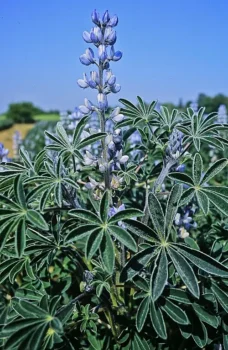
White lupine is an annual forb that belongs to the legume family. Unlike its woody cousins, this herbaceous plant lacks significant woody tissue and completes its entire life cycle in a single growing season. Standing tall at up to 4 feet, it features the characteristic palmately compound leaves that look like green hands reaching skyward, topped with impressive spikes of white flowers.
You might also encounter this plant under its synonym, Lupinus termis, though white lupine remains the most common name. Its rapid growth rate means you won’t be waiting long to see results – this plant is all about making a quick, dramatic statement in the garden.
Where Does White Lupine Grow?
Originally from the Mediterranean region, white lupine has established itself as a non-native species that reproduces spontaneously in parts of the United States. Currently, it’s documented as growing wild in Florida, where it has found conditions suitable for naturalization.
- Species observed
- No observations
The Appeal of White Lupine
There’s no denying that white lupine brings some serious garden appeal. Those tall, stately flower spikes create wonderful vertical interest, making them perfect for the back of borders or as specimen plants in cottage-style gardens. The white flowers are particularly striking and attract bees and other pollinators during the blooming period in late summer.
Beyond its looks, white lupine offers the practical benefit of nitrogen fixation. Like other legumes, it forms a partnership with soil bacteria to convert atmospheric nitrogen into forms plants can use, essentially fertilizing your soil as it grows.
Growing Conditions and Care
White lupine is surprisingly specific about its growing preferences, so success depends on meeting its needs:
- Soil: Prefers coarse to medium-textured soils with good drainage. Avoid heavy clay soils, as this plant won’t tolerate fine-textured growing conditions.
- pH: Thrives in slightly acidic to neutral soil, with a pH range between 5.6 and 7.5.
- Water: Requires moderate moisture but has low drought tolerance. Consistent watering is important, especially during establishment.
- Sun: Needs full sun – this plant is shade intolerant and won’t perform well in partially shaded locations.
- Climate: Requires at least 180 frost-free days and minimum temperatures no lower than -1°F. Best suited for USDA zones 8-11.
Planting and Propagation
White lupine is exclusively grown from seed, and timing is everything. The active growing period spans fall, winter, and spring, so plan your planting accordingly. Direct sow seeds in fall for spring blooms, or start them in late winter in cooler areas.
With about 1,979 seeds per pound, a little goes a long way. Seeds have good persistence and moderate spread rate, though seedling vigor is considered medium. The plant has slow regrowth after harvest and no ability to resprout, so treat it as a true annual.
A Note on Native Alternatives
While white lupine can be a beautiful addition to appropriate gardens, it’s worth considering native lupine species that might serve similar roles in your landscape. Native plants provide better support for local ecosystems and wildlife. Depending on your region, you might explore native lupines like:
- Wild lupine (Lupinus perennis) for eastern regions
- Arroyo lupine (Lupinus succulentus) for western areas
- Sundial lupine (Lupinus perennis) for prairie gardens
Special Considerations
It’s important to note that white lupine has moderate toxicity, so keep this in mind if you have pets or small children who might be tempted to sample garden plants. The seeds, in particular, can be problematic if consumed.
Additionally, as a non-native species that can reproduce spontaneously, be mindful of allowing it to self-seed extensively, especially in natural areas adjacent to your garden.
The Bottom Line
White lupine offers dramatic height, attractive white blooms, and soil-improving qualities for gardeners in warmer climates. While it requires specific growing conditions and careful management, it can be a striking addition to Mediterranean-style gardens or annual borders. Just remember to deadhead spent flowers to prevent excessive self-seeding, and consider exploring native alternatives that might provide similar beauty while supporting local ecosystems.
Whether you choose white lupine or opt for a native species, the lupine family offers wonderful options for adding vertical drama and pollinator appeal to your garden landscape.