White Moho: A Tropical Tree for Warm Climate Gardens
If you’re gardening in Hawaii or other tropical areas and looking for an interesting shade tree, you might have come across the white moho (Heliocarpus popayanensis). This perennial tree has made itself at home in Hawaiian landscapes, though it originally hails from much farther south.
What is White Moho?
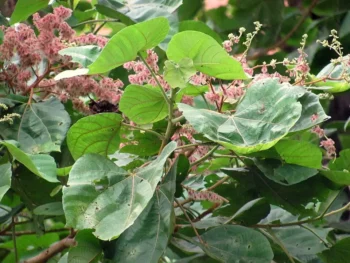
White moho is a medium-sized tree that typically grows 13-16 feet tall or more, developing a single trunk as it matures. Like many tropical trees, it’s a woody perennial that can provide years of garden interest once established. The tree produces heart-shaped leaves and small, clustered flowers that add subtle charm to the landscape.
Where Does It Grow?
Currently in the United States, you’ll find white moho growing in Hawaii, where it has established itself as a non-native species that reproduces on its own in the wild. Originally, this tree comes from the mountainous regions of Central and South America, including Colombia, Ecuador, and Peru.
- Species observed
- No observations
Garden Appeal and Landscape Role
White moho can serve several purposes in the right garden setting:
- Provides moderate shade with its spreading canopy
- Works as an ornamental specimen tree in tropical gardens
- Offers year-round greenery in warm climates
- Attracts small pollinators like bees with its modest flowers
Growing Conditions and Care
This tree is best suited for USDA hardiness zones 10-11, meaning it needs consistently warm, frost-free conditions to thrive. If you’re considering planting white moho, here’s what it prefers:
- Sunlight: Full sun to partial shade
- Soil: Well-draining soil (adaptable to various soil types)
- Water: Regular watering when young, becomes fairly drought tolerant once established
- Maintenance: Minimal pruning required, relatively low-maintenance
Should You Plant White Moho?
While white moho isn’t necessarily problematic, it’s worth remembering that it’s not native to Hawaiian ecosystems. As gardeners, we have an opportunity to support local wildlife and preserve natural heritage by choosing plants that evolved alongside local pollinators, birds, and other creatures.
If you’re drawn to white moho’s characteristics, consider exploring native Hawaiian trees that might offer similar benefits. Native alternatives often provide better support for local ecosystems while still giving you the aesthetic and functional qualities you’re seeking in your landscape.
The Bottom Line
White moho can certainly grow in tropical gardens and provides decent shade and modest ornamental value. However, before planting any non-native species, it’s worth researching native alternatives that might serve your garden goals while supporting local wildlife. Your local native plant society or extension office can be excellent resources for finding indigenous trees that thrive in your specific microclimate and soil conditions.