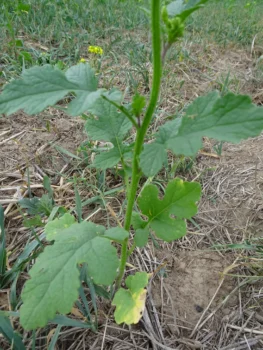
White Mustard: The Cheerful Self-Seeder That Divides Gardeners
White mustard (Sinapis alba) is one of those plants that sparks interesting conversations among gardeners. Some love its cheerful spring blooms and easy-going nature, while others view it as a garden gate-crasher that shows up uninvited. Whether you’re team white mustard or team thanks but no thanks, understanding this annual herb can help you make the best decision for your garden.
What Exactly Is White Mustard?
White mustard is an annual forb – essentially a non-woody flowering plant that completes its entire life cycle in one growing season. You might also know it by its botanical synonyms Brassica alba or Brassica hirta, though Sinapis alba is the currently accepted name. This member of the mustard family has been hitchhiking around the world for centuries, originally calling the Mediterranean region home.
Where You’ll Find It Growing Wild
Talk about a well-traveled plant! White mustard has made itself at home across North America, from coast to coast and border to border. You can find it naturalized in all the lower 48 states, most Canadian provinces (including Alberta, British Columbia, Manitoba, and others), and even in places like Puerto Rico and the U.S. Virgin Islands. It’s particularly good at establishing itself in disturbed soils, roadsides, and field edges.
- Species observed
- No observations
The Good, The Bad, and The Seedy
Here’s where white mustard gets interesting. On the plus side, this plant is a pollinator magnet. Its small, four-petaled white flowers bloom in clusters from late spring through early summer, attracting bees and other beneficial insects to your garden. The plant typically reaches 2-4 feet tall, creating a nice vertical element in informal garden settings.
However, white mustard is also a prolific self-seeder. Once it’s happy in your garden, it tends to stick around and multiply – sometimes more enthusiastically than you might prefer. While it’s not classified as invasive, its ability to reproduce spontaneously and persist means you’ll likely be pulling seedlings for years to come.
Growing Conditions and Care
If you decide to welcome white mustard into your garden, you’ll find it refreshingly low-maintenance. This plant thrives in:
- Full sun locations
- Well-drained soils (though it’s not picky about soil quality)
- USDA hardiness zones 3-9
- Both wetland and upland conditions, depending on your region
White mustard is drought-tolerant once established and actually prefers poor to average soils over rich, fertile ground. It’s the kind of plant that does well with benign neglect – sometimes too well!
Planting and Care Tips
Growing white mustard is straightforward. Direct sow seeds in spring after the last frost, or try fall planting for early spring blooms. Scatter seeds on prepared soil and lightly rake in – no need to bury them deeply. Water gently until germination, then step back and let nature take its course.
The main care you’ll need to provide is deadheading flowers before they set seed if you want to prevent aggressive self-seeding. Otherwise, white mustard pretty much takes care of itself.
Garden Design Considerations
White mustard works well in cottage gardens, herb gardens, and naturalized areas where a somewhat wild appearance is welcome. It’s also commonly used as a cover crop or green manure in vegetable gardens. Just remember that wherever you plant it, you’re making a long-term commitment – this plant has staying power.
Native Alternatives to Consider
Since white mustard isn’t native to North America, you might consider these native alternatives that offer similar benefits:
- Wild bergamot (Monarda fistulosa) for pollinator appeal
- New England aster (Symphyotrichum novae-angliae) for late-season blooms
- Black-eyed Susan (Rudbeckia species) for cheerful yellow flowers
- Wild columbine (Aquilegia canadensis) for delicate spring color
The Bottom Line
White mustard isn’t necessarily a problem plant, but it’s definitely a commitment. If you appreciate low-maintenance flowers that support pollinators and don’t mind a plant that makes itself thoroughly at home, white mustard might be worth trying. Just go in with eyes wide open about its enthusiastic self-seeding habits, and maybe start with a small area to see how it behaves in your specific garden conditions.
Remember, the best garden is one that works for you and your local ecosystem. Whether that includes white mustard is entirely up to your gardening goals and tolerance for surprise seedlings!