White Poplar: Why This Fast-Growing Tree Isn’t Worth the Trouble
If you’re browsing trees for quick shade in your yard, you might stumble across the white poplar (Populus alba). With its promise of rapid growth and distinctive silvery leaves, it might seem like the perfect solution for an empty corner of your landscape. But before you grab that shovel, let’s talk about why this European import has earned itself a spot on invasive species lists across North America.
What Is White Poplar?
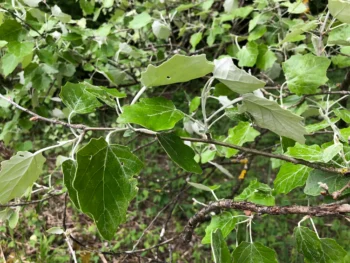
White poplar is a large deciduous tree that can reach towering heights of up to 100 feet at maturity. This perennial woody giant is known for its single trunk (though it often develops multiple stems) and its signature silvery-white leaf undersides that create a shimmering effect when the wind blows. The tree also produces small, inconspicuous yellow flowers in early spring, followed by white, fluffy seeds that drift on the breeze.
Originally from Europe, western Asia, and North Africa, white poplar has established itself across much of North America, from coast to coast. You’ll find it growing in states from Alabama to Wyoming, and it’s also spread throughout much of Canada.
- Species observed
- No observations
The Problem with White Poplar
Here’s where things get tricky: White poplar is considered invasive in several states. Connecticut has classified it as Potentially Invasive, Prohibited, while Wisconsin lists it as Restricted. This isn’t just bureaucratic red tape – there are real reasons behind these designations.
This tree is an aggressive spreader. It reproduces not just through those fluffy seeds, but also through an extensive root system that sends up new shoots (called suckers) sometimes dozens of feet away from the parent tree. Before you know it, one white poplar can become a whole grove, crowding out native plants that local wildlife depends on.
Why You Shouldn’t Plant White Poplar
Beyond its invasive tendencies, white poplar comes with a host of other issues that make it a poor choice for home landscapes:
- Aggressive root system: Those roots can damage foundations, sidewalks, and underground utilities
- Messy habit: Constantly drops leaves, twigs, and branches
- Short lifespan: Despite its rapid growth, it has only a moderate lifespan and is prone to storm damage
- Limited wildlife value: While it provides some early spring pollen, it doesn’t support the diversity of native insects and birds that native trees do
- High water usage: Requires significant moisture, making it less sustainable in many regions
Better Native Alternatives
Instead of white poplar, consider these native alternatives that provide similar benefits without the headaches:
- Eastern Cottonwood (Populus deltoides): A native poplar that grows quickly and provides excellent wildlife habitat
- American Sycamore (Platanus occidentalis): Fast-growing with attractive exfoliating bark
- Silver Maple (Acer saccharinum): Quick shade with beautiful fall color
- Green Ash (Fraxinus pennsylvanica): Adaptable native tree for various soil conditions
If You Already Have White Poplar
Found yourself with an existing white poplar? Here’s what you should know about managing it:
The tree thrives in USDA hardiness zones 3-8 and tolerates a wide range of soil conditions, from clay to sand. It prefers full sun and needs regular watering, especially when young. However, given its invasive nature, consider having it professionally removed and replaced with a native alternative.
If removal isn’t immediately feasible, at least stay vigilant about removing suckers that pop up around the main tree, and clean up seeds before they can spread to new areas.
The Bottom Line
While white poplar might seem like an attractive option for quick shade, its invasive nature and numerous maintenance issues make it a poor choice for responsible gardeners. Your local ecosystem – and your future self – will thank you for choosing a native alternative instead. After all, the best trees are the ones that enhance your landscape without taking over the neighborhood!