White Rubber Vine: A Tropical Climbing Adventure for Your Garden
If you’re dreaming of adding a touch of tropical Africa to your garden, the white rubber vine (Landolphia owariensis) might have caught your attention. This climbing vine brings an exotic flair that’s quite different from your typical North American natives, but is it right for your garden? Let’s dive into what makes this plant special and whether it deserves a spot in your landscape.
What Exactly Is White Rubber Vine?
White rubber vine, scientifically known as Landolphia owariensis, is a tropical climbing vine that hails from the warm regions of West and Central Africa. You might also see it listed under its former names Landolphia droogmansiana or Landolphia stolzii in older gardening references. True to its name, this plant produces a white latex when cut or damaged – hence the rubber part of its common name.
Where Does It Come From?
This vine is native to tropical Africa, where it thrives in the warm, humid conditions of West and Central African forests. It’s definitely not a local native if you’re gardening anywhere in North America, so keep that in mind when considering it for your landscape.
What Does It Look Like?
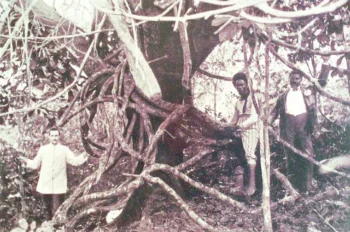
White rubber vine is a climbing plant that loves to scramble up trees, fences, or whatever support structure you provide. It produces small white flowers that add a delicate touch to its overall appearance. The vine itself has that classic tropical look that can make you feel like you’re vacationing in the rainforest, even if you’re just stepping out your back door.
Growing Conditions: The Tropical Demand
Here’s where things get a bit challenging for most North American gardeners. White rubber vine is strictly a tropical plant, thriving only in USDA hardiness zones 10-11. This means unless you live in the warmest parts of Florida, Hawaii, or similar climates, you’ll need to think greenhouse or indoor growing.
The plant demands:
- Warm temperatures year-round
- High humidity
- Well-draining soil
- A sturdy support structure for climbing
- Regular watering (but not waterlogged conditions)
Is This Vine Right for Your Garden?
The honest answer? For most gardeners, probably not. White rubber vine is quite specific in its needs and won’t survive winters in most of North America. If you’re in a tropical climate zone, it could work, but you’d want to research whether it has any invasive tendencies in your specific region.
For the majority of gardeners looking for climbing vines, there are fantastic native alternatives that will be much happier in your local conditions and provide better benefits to local wildlife. Consider native options like:
- American groundnut (Apios americana)
- Wild ginger (Aristolochia serpentaria)
- Coral honeysuckle (Lonicera sempervirens)
- Virgin’s bower (Clematis virginiana)
If You’re Determined to Try It
Should you decide to give white rubber vine a go (and you live in an appropriate climate), here are some growing tips:
- Provide a strong trellis or support structure – this vine likes to climb
- Plant in well-draining soil enriched with organic matter
- Keep soil consistently moist but never waterlogged
- Ensure high humidity around the plant
- Protect from any temperature drops below tropical ranges
The Bottom Line
White rubber vine is an interesting tropical specimen, but it’s really only suitable for gardeners in the warmest climates or those with serious greenhouse setups. For most of us, embracing beautiful native climbing vines will give us better results, easier care, and the satisfaction of supporting local ecosystems. Sometimes the most exotic choice isn’t the best choice – and that’s perfectly okay! Your garden will be just as beautiful (and much more sustainable) with plants that actually want to live where you’re gardening.