White Stonecrop: A Hardy Ground Cover for Challenging Spots
If you’re looking for a plant that thrives on neglect and can transform the most challenging spots in your garden, white stonecrop (Sedum album) might just be your new best friend. This tough little succulent has earned its reputation as a survivor, carpeting rocky slopes and poor soils where other plants fear to tread.
What is White Stonecrop?
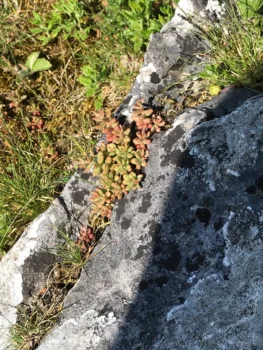
White stonecrop is a low-growing perennial succulent that forms dense, spreading mats of thick, fleshy leaves. Also known by its scientific name Sedum album, this hardy forb produces clusters of tiny, star-shaped white flowers that create a delightful contrast against its blue-green to reddish foliage. The plant gets its stonecrop name from its ability to grow in the cracks and crevices of stone walls and rocky outcrops.
Where Does White Stonecrop Come From?
Originally hailing from Europe, western and central Asia, and North Africa, white stonecrop is a non-native species that has made itself at home in North America. You can find established populations across multiple regions, including British Columbia, New Brunswick, California, Ontario, Quebec, Indiana, Maine, Michigan, New Jersey, New York, Ohio, Oregon, Pennsylvania, Utah, Washington, and West Virginia.
- Species observed
- No observations
Why Consider White Stonecrop for Your Garden?
White stonecrop offers several appealing qualities that make it worth considering for specific garden situations:
- Extreme drought tolerance: Once established, it rarely needs watering
- Low maintenance: Thrives on neglect and poor soil conditions
- Pollinator friendly: Small white flowers attract bees, butterflies, and other beneficial insects
- Year-round interest: Evergreen foliage provides color even in winter
- Rapid spreading: Quickly fills in bare areas and suppresses weeds
Perfect Spots for White Stonecrop
This versatile groundcover shines in challenging locations where other plants struggle:
- Rock gardens and alpine settings
- Green roofs and living walls
- Steep slopes prone to erosion
- Containers and hanging baskets
- Mediterranean or drought-tolerant garden designs
- Areas with poor, sandy, or gravelly soil
Growing White Stonecrop Successfully
The beauty of white stonecrop lies in its simplicity. This plant practically grows itself once you understand its basic needs:
Light Requirements: Full sun is best, though it tolerates partial shade. More sun typically means better flowering and more compact growth.
Soil Needs: Well-draining soil is absolutely crucial. White stonecrop despises soggy conditions and will quickly rot in poorly draining clay or constantly moist soil. Sandy, gravelly, or rocky soils are ideal.
Hardiness: Remarkably cold-hardy, thriving in USDA zones 3-9, making it suitable for most North American climates.
Planting and Care Tips
Getting white stonecrop established is refreshingly straightforward:
- When to plant: Spring or early fall work best
- Spacing: Place plants 6-12 inches apart for quick coverage
- Watering: Water lightly until established, then rely on rainfall
- Fertilizing: Skip the fertilizer – rich soil actually weakens the plant
- Maintenance: Deadhead spent flowers to prevent excessive self-seeding
- Division: Divide clumps every 3-4 years to maintain vigor
A Word About Native Alternatives
While white stonecrop can be a valuable garden plant, consider exploring native alternatives that provide similar benefits while supporting local ecosystems. Depending on your region, native sedums, wild gingers, or native moss species might offer comparable groundcover qualities with added ecological value for local wildlife.
The Bottom Line
White stonecrop earns its place in gardens where toughness matters more than pampering. If you have challenging spots that need reliable, attractive groundcover, this resilient succulent delivers without demanding much in return. Just remember to keep it well-contained and consider native alternatives when possible – your local wildlife will thank you for it.