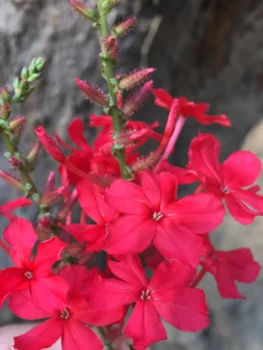
Whorled Plantain: A Tropical Beauty for Warm Climate Gardens
If you’re looking for a charming flowering shrub that brings a touch of tropical elegance to your garden, whorled plantain (Plumbago indica) might just catch your eye. This perennial shrub has been winning over gardeners in warm climates with its delicate blooms and easy-going nature.
What is Whorled Plantain?
Don’t let the name fool you – this isn’t your typical lawn plantain! Whorled plantain is actually a lovely flowering shrub that belongs to the leadwort family. This multi-stemmed woody plant typically grows to a manageable size of 4-5 feet tall, making it perfect for smaller gardens or as part of mixed plantings.
The plant produces charming small flowers in shades of blue or white that cluster together in terminal spikes, creating a soft, cottage-garden appeal. Its simple, alternate leaves provide a nice backdrop for the delicate blooms.
Where Does It Come From?
Originally hailing from tropical Asia, particularly India and Southeast Asia, whorled plantain has made itself at home in various tropical and subtropical locations around the world. In the United States, you’ll find it growing in Puerto Rico, where it has naturalized and reproduces on its own in the wild.
- Species observed
- No observations
Why Consider Growing Whorled Plantain?
There are several reasons why this shrub might appeal to gardeners in suitable climates:
- Pollinator friendly: The small tubular flowers are magnets for butterflies and other small pollinators
- Low maintenance: Once established, it’s quite drought tolerant and doesn’t demand much fuss
- Compact size: Perfect for smaller spaces or mixed border plantings
- Extended blooming: Provides color throughout much of the growing season
Growing Conditions and Care
Whorled plantain thrives in USDA hardiness zones 9-11, so it’s really only suitable for gardeners in tropical and subtropical climates. If you’re in the right zone, here’s what this easygoing shrub prefers:
- Sunlight: Full sun to partial shade (though it blooms best with plenty of sun)
- Soil: Well-draining soil of various types – it’s not particularly picky
- Water: Regular watering when young, then quite drought tolerant once established
- Maintenance: Occasional pruning to maintain shape and encourage fresh growth
Perfect for These Garden Styles
Whorled plantain fits beautifully into several garden styles:
- Cottage gardens where its informal charm shines
- Mixed shrub borders for texture and color
- Butterfly gardens as a pollinator magnet
- Tropical landscape designs for authentic regional appeal
Things to Consider
While whorled plantain can be a delightful addition to suitable gardens, it’s worth noting that it’s not native to mainland United States. If you’re passionate about supporting local ecosystems, you might want to consider native alternatives that provide similar benefits to pollinators and wildlife.
Some excellent native options to explore include native Plumbago species like Plumbago scandens (if available in your region) or other native flowering shrubs that attract butterflies and provide similar garden appeal.
The Bottom Line
Whorled plantain offers gardeners in warm climates a low-maintenance, pollinator-friendly shrub with genuine charm. While it may not be native to most of the United States, it can certainly earn its place in the right garden setting. Just remember to balance your plant choices with native species that support local wildlife and ecosystems – your garden (and local butterflies) will thank you for the diversity!