Wild Chives: The Delightful Native Herb That Gardens (and Pollinators) Love
If you’ve ever wondered about those charming little purple pom-poms dancing on slender stems in meadows and gardens, you’ve likely spotted wild chives (Allium schoenoprasum). This delightful perennial herb brings together the best of both worlds: it’s beautiful enough for ornamental gardens and tasty enough for your dinner plate!
What Exactly Are Wild Chives?
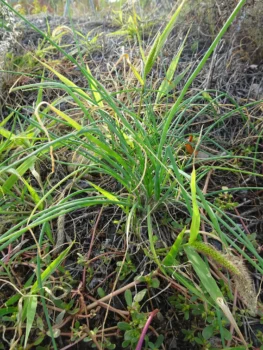
Wild chives are perennial forbs – essentially non-woody plants that come back year after year. They’re part of the onion family, which explains their distinctive mild onion-garlic flavor. These hardy little plants produce narrow, grass-like leaves that grow in small clumps and send up adorable globe-shaped flower clusters in shades of purple-pink during late spring and early summer.
Where You’ll Find Wild Chives
Wild chives have an impressively wide distribution across North America. You can find them growing naturally from Alaska down to Colorado, and from the Pacific Coast all the way to the Atlantic. They’re found in states including Alberta, British Columbia, Alaska, Colorado, Connecticut, Idaho, Maine, Montana, New York, Oregon, Washington, and many others throughout the northern United States and Canada.
- Species observed
- No observations
Why Plant Wild Chives in Your Garden?
There are plenty of compelling reasons to welcome wild chives into your garden space:
- Pollinator magnet: Those cute purple flowers are absolute bee and butterfly magnets, providing valuable nectar throughout their blooming period
- Edible landscaping: Both the leaves and flowers are edible, offering a mild onion flavor perfect for garnishes, salads, and cooking
- Low maintenance: Once established, they’re incredibly easy-going and require minimal care
- Versatile placement: They work beautifully in herb gardens, cottage gardens, rock gardens, or naturalized meadow settings
- Season-long interest: Attractive foliage from spring through fall, with charming flowers in late spring and early summer
Growing Conditions and Care
Wild chives are wonderfully adaptable plants that don’t ask for much:
Sunlight: They prefer full sun but will tolerate partial shade, though flowering may be reduced in shadier spots.
Soil: These tough little plants aren’t picky about soil and will grow in average to poor soils as long as drainage is decent. They actually prefer not to be pampered with rich, heavily fertilized soil.
Water: Once established, wild chives are quite drought tolerant. They appreciate consistent moisture during their growing season but don’t like to sit in soggy soil.
Climate: Hardy in USDA zones 3-9, they prefer cooler climates and may struggle in extremely hot, humid conditions.
Planting and Care Tips
Getting wild chives established in your garden is refreshingly straightforward:
- Plant bulbs or divisions in spring or fall, spacing them about 4-6 inches apart
- Choose a location with good drainage – they don’t like wet feet
- Water regularly during the first growing season to help them establish
- After that, they’re largely self-sufficient and will often self-seed
- Deadhead spent flowers if you don’t want them to spread, or leave them for the seeds if you do
- Divide clumps every few years if they become overcrowded
Special Considerations
Wild chives have an interesting relationship with water – their wetland status varies by region. In some areas like the Arid West, they’re considered facultative wetland plants (usually found in wet areas), while in other regions like the Great Plains, they’re facultative upland plants (usually found in drier areas). This flexibility makes them adaptable to various garden conditions.
The Bottom Line
Wild chives are one of those wonderful plants that prove you don’t have to choose between beauty and function. They’ll attract pollinators, provide you with fresh herbs, and add delicate charm to your garden with minimal fuss. Whether you’re creating a naturalized meadow, planning an edible landscape, or just want something pretty and practical for your herb garden, wild chives deserve a spot on your plant wish list.
Plus, there’s something deeply satisfying about snipping a few fresh chives from your own garden to sprinkle over scrambled eggs or fold into homemade bread. Your taste buds (and the local bees) will thank you!