Wild Chives: A Delightful Naturalized Herb for Your Garden
If you’ve ever stumbled across delicate purple flower globes bobbing above grass-like foliage in a meadow or along a roadside, you’ve likely encountered wild chives. This charming perennial herb has made itself quite at home across North America, bringing both beauty and flavor to naturalized spaces.
What Are Wild Chives?
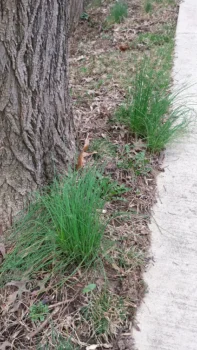
Wild chives (Allium schoenoprasum var. schoenoprasum) are herbaceous perennial plants that belong to the onion family. Unlike their stockier garden cousins, these delicate forbs produce slender, hollow leaves and enchanting spherical flower clusters that dance in the breeze. As a non-native species, wild chives have naturalized throughout much of North America, reproducing spontaneously and persisting without human intervention.
Where Do Wild Chives Grow?
You’ll find wild chives thriving across a remarkably wide range, from the chilly landscapes of Alaska down through various Canadian provinces and into numerous U.S. states. They’ve established themselves in Alaska, New Brunswick, Ontario, Connecticut, Quebec, Saskatchewan, Idaho, Illinois, Indiana, Massachusetts, Oregon, Pennsylvania, Rhode Island, Vermont, Washington, Wisconsin, Wyoming, and Newfoundland.
- Species observed
- No observations
Garden Appeal and Landscape Role
Wild chives offer a lovely combination of form and function in the garden. Their grass-like foliage creates soft texture, while the purple-pink flower globes add delicate color from late spring through summer. These adaptable plants work beautifully in:
- Herb gardens where you can harvest the flavorful leaves
- Cottage gardens for their informal, naturalized appearance
- Rock gardens where they can nestle into crevices
- Naturalized areas and meadow gardens
- Borders where they provide subtle texture
Benefits for Pollinators and Wildlife
The nectar-rich flowers are magnets for bees, butterflies, and other beneficial pollinators. The spherical flower heads, packed with tiny individual blooms, provide an excellent landing platform and abundant food source during their blooming period.
Growing Conditions and Care
One of wild chives’ most appealing characteristics is their easy-going nature. These hardy perennials thrive in USDA hardiness zones 3-9, making them suitable for most North American gardens. They prefer:
- Full sun to partial shade (though they flower best in full sun)
- Well-drained soil of almost any type
- Moderate moisture, though they’re quite drought tolerant once established
- Cool to moderate temperatures
Planting and Maintenance Tips
Wild chives are refreshingly low-maintenance. They readily self-seed, so you might find new plants popping up in unexpected places—a delightful surprise for most gardeners. To keep them tidy, you can deadhead spent flowers, though many gardeners prefer to let some go to seed for natural propagation.
The leaves can be harvested and used just like culinary chives, offering a mild onion flavor that’s perfect for cooking. Simply snip the leaves with scissors, leaving about an inch above ground level.
Considerations for Native Plant Enthusiasts
While wild chives are charming and well-behaved in most garden settings, those focused on native plant gardening might want to consider indigenous alternatives. Native alliums like wild onion (Allium canadense) or nodding onion (Allium cernuum) can provide similar aesthetic appeal while supporting local ecosystems that evolved with these plants.
The Bottom Line
Wild chives offer an appealing combination of beauty, functionality, and ease of care. Whether you’re drawn to their delicate flowers, interested in their culinary uses, or simply appreciate their ability to attract pollinators, these naturalized herbs can make a lovely addition to the right garden setting. Just remember that they may self-seed enthusiastically—though for most gardeners, this is more feature than bug!