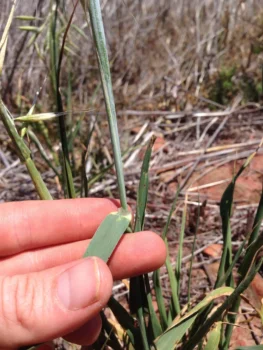
Wild Oat: Why This Grass Isn’t Worth the Trouble
If you’ve ever wondered about that tall, drooping grass you see growing wild in fields and roadsides, you might be looking at wild oat (Avena fatua). While it might seem like an attractive option for a naturalistic garden, this annual grass comes with more problems than benefits for home gardeners.
What is Wild Oat?
Wild oat is an annual grass that can reach up to 4 feet tall with a distinctive erect, bunch-like growth form. It produces yellow flowers in mid-spring that aren’t particularly showy, followed by brown seeds that give the plant its characteristic drooping appearance. The foliage is green with a fine texture, and the plant has a rapid growth rate during its active growing period in fall, winter, and spring.
Where Wild Oat Grows
Here’s the thing about wild oat – it’s everywhere, and that’s not necessarily a good thing. Originally from the Mediterranean region and Europe, this non-native grass has established itself across virtually all of North America. You’ll find it growing wild in Alaska, all Canadian provinces, Hawaii, and every single one of the lower 48 states. It’s become so widespread because it reproduces spontaneously in the wild and tends to persist without any human help.
- Species observed
- No observations
The Problem with Wild Oat
While wild oat might look harmless enough, it’s actually classified as a noxious weed in Alaska with Restricted status. This designation exists for good reason – wild oat can quickly become problematic in agricultural areas and natural ecosystems. Its rapid growth rate and high seed production (about 12,000 seeds per pound!) mean it can quickly outcompete native plants and crops.
Growing Conditions (If You Must Know)
Wild oat is unfortunately quite adaptable, which explains its widespread distribution. It can handle:
- Various soil types from coarse to fine textures
- pH levels between 6.0 and 7.5
- Moderate drought conditions
- Temperatures as low as -23°F
- Areas receiving 6-24 inches of precipitation annually
The plant is shade intolerant and prefers full sun locations. It has low fertility requirements and medium moisture needs, making it quite self-sufficient once established.
Why You Shouldn’t Plant Wild Oat
Simply put, wild oat is not a plant you want to intentionally introduce to your garden or landscape. Here’s why:
- It’s considered a noxious weed in some areas
- It can quickly spread and become difficult to control
- It offers minimal wildlife or pollinator benefits (it’s wind-pollinated)
- It can outcompete native plants
- Commercial sources don’t exist for good reason
Better Native Alternatives
Instead of wild oat, consider these beautiful native grasses that provide similar height and texture without the invasive concerns:
- Little bluestem (Schizachyrium scoparium) for shorter areas
- Big bluestem (Andropogon gerardii) for tall prairie looks
- Buffalo grass (Poaceae family natives) for your region
- Regional native bunch grasses specific to your area
If Wild Oat Shows Up Uninvited
Given its widespread distribution, you might find wild oat appearing in your garden on its own. If this happens, it’s best to remove it before it sets seed. The plant has high seedling vigor and seeds spread rapidly, so early intervention is key. Hand-pulling is effective for small infestations, especially when the soil is moist.
Remember, just because a plant can grow everywhere doesn’t mean it should. When it comes to wild oat, it’s better to admire it from a distance and choose native alternatives that support local ecosystems while providing the aesthetic appeal you’re looking for.