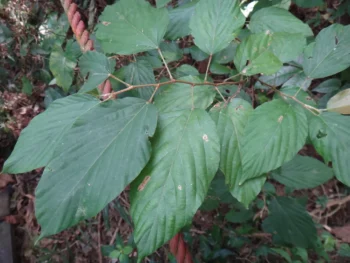
Wildhops (Flemingia strobilifera): A Tropical Shrub for Warm Climate Gardens
If you’re looking for a hardy shrub that can handle tough growing conditions while adding a splash of color to your tropical or subtropical garden, wildhops might catch your eye. This perennial shrub, scientifically known as Flemingia strobilifera, has made itself at home in warm climates despite not being native to North America.
What is Wildhops?
Wildhops is a multi-stemmed woody shrub that typically grows to about 13-16 feet in height, though it can sometimes grow taller or remain more compact depending on growing conditions. Don’t let the common name fool you – this isn’t related to the hops used in brewing beer! The name likely comes from its somewhat similar-looking clustered flowers.
This plant is also known by its scientific synonym Moghania strobilifera, so don’t be confused if you see it listed under that name in older gardening resources.
Native Status and Distribution
Here’s where things get interesting: wildhops isn’t actually native to the United States. Originally from tropical Asia, this hardy traveler has established itself in several U.S. territories and states where it now reproduces on its own in the wild. You’ll find it growing in Hawaii, Guam, Palau, and Puerto Rico, where it has adapted well to local conditions.
- Species observed
- No observations
Why Consider Wildhops for Your Garden?
Despite being non-native, wildhops offers several appealing qualities for gardeners in suitable climates:
- Beautiful blooms: The plant produces clusters of small, pea-like flowers in shades of purple to pink that are quite attractive
- Pollinator friendly: These flowers attract bees and butterflies to your garden
- Low maintenance: Once established, it’s quite drought tolerant and doesn’t require much fussing
- Versatile use: Works well as an ornamental shrub, ground cover on slopes, or in naturalized plantings
- Tough performer: Tolerates poor soils and challenging conditions
Growing Conditions and Care
Wildhops is surprisingly adaptable, which explains how it’s managed to establish itself in various locations. Here’s what it prefers:
- Climate: USDA hardiness zones 9-11 (tropical and subtropical areas)
- Sunlight: Full sun to partial shade
- Soil: Well-draining soil, but tolerates poor soil conditions
- Water: Drought tolerant once established, but appreciates regular watering during dry spells
Wetland Considerations
If you’re dealing with wet areas in your landscape, it’s worth noting that wildhops has different preferences depending on your region. In the Caribbean, it’s considered an obligate upland plant, meaning it almost never occurs in wetlands. However, in Hawaii, it’s classified as facultative upland, meaning it usually prefers non-wetland areas but can occasionally tolerate some moisture.
Planting and Care Tips
Getting wildhops established in your garden is relatively straightforward:
- Plant in a location with good drainage to prevent root rot
- Space plants adequately as they can spread and develop multiple stems
- Water regularly during the first growing season to help establish roots
- Once established, minimal care is needed – this is a fairly hands-off plant
- Be aware that it may self-seed, so monitor for unwanted spread if that’s a concern
A Word About Native Alternatives
While wildhops can be an attractive and low-maintenance choice, it’s always worth considering native alternatives that provide similar benefits while supporting local ecosystems. If you’re in areas where wildhops grows, look into native shrubs that offer comparable beauty and pollinator benefits. Your local native plant society or extension office can provide excellent recommendations for plants that are naturally adapted to your specific region.
The Bottom Line
Wildhops offers an interesting option for gardeners in tropical and subtropical areas who want a tough, attractive shrub that doesn’t demand much attention. While it’s not native to North America, it’s not currently listed as invasive or problematic. If you do choose to grow it, just keep an eye on its spreading tendencies and consider how it fits into your overall landscape goals. As always, when possible, giving native plants the first consideration helps support local wildlife and maintains the natural character of your region.