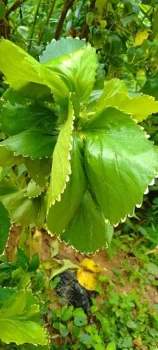
Wilkes’ Acalypha: A Tropical Showstopper for Warm Climate Gardens
If you’re looking to add a splash of vibrant color to your garden without relying on flowers, meet Wilkes’ acalypha (Acalypha wilkesiana). This eye-catching shrub goes by many colorful names – Jacob’s coat, fire-dragon, beefsteak plant, and match me if you can – all hints at its most striking feature: incredibly diverse and vivid foliage that seems to change with every glance.
What Makes Wilkes’ Acalypha Special?
Wilkes’ acalypha is all about the leaves. This perennial shrub produces stunning foliage in combinations that would make a sunset jealous – think copper, bronze, red, yellow, and green all dancing together on the same plant. The leaves can be solid colored, speckled, or dramatically variegated, creating a living kaleidoscope in your garden.
As a multi-stemmed woody shrub, it typically stays under 13-16 feet tall, making it manageable for most garden spaces while still providing substantial visual impact.
Where Does It Come From?
Originally native to Fiji and nearby Pacific islands, Wilkes’ acalypha has found its way around the world as an ornamental plant. In the United States, you’ll find it established in Florida, Puerto Rico, Guam, and Palau, where it has naturalized and reproduces on its own.
- Species observed
- No observations
Is Wilkes’ Acalypha Right for Your Garden?
This tropical beauty shines in warm climate gardens, thriving in USDA hardiness zones 9b through 11. If you live in a cooler area, don’t despair – it makes an excellent container plant that you can move indoors when temperatures drop.
Perfect for:
- Tropical and subtropical landscape designs
- Container gardens and patio displays
- Adding year-round color without depending on flowers
- Creating focal points or accent areas
- Mixed borders where you want foliage interest
Growing Wilkes’ Acalypha Successfully
The good news? This plant is remarkably easy to grow once you understand its preferences.
Growing Conditions:
- Light: Partial shade to full sun (more sun often intensifies leaf colors)
- Soil: Well-draining soil that doesn’t stay waterlogged
- Climate: Warm, humid conditions year-round
- Temperature: Frost-sensitive – protect when temperatures approach 32°F
Care Tips:
- Water regularly but allow soil to dry slightly between waterings
- Pinch growing tips regularly to encourage bushier growth
- Feed with balanced fertilizer during growing season
- Bring container plants indoors before first frost
- Prune lightly to maintain shape and size
A Few Things to Consider
While Wilkes’ acalypha isn’t considered invasive, it is a non-native species that can naturalize in warm climates. As responsible gardeners, it’s worth considering native alternatives that provide similar benefits while supporting local ecosystems.
Additionally, this plant is grown primarily for its foliage rather than its small, inconspicuous flowers, so it offers limited benefits to pollinators and native wildlife compared to native flowering shrubs.
Native Alternatives to Consider
If you love the idea of colorful foliage but want to support native wildlife, consider these alternatives:
- Native Croton species for tropical areas
- Firebush (Hamelia patens) for Florida gardens
- Native Coleus varieties
- Regional native shrubs with seasonal color changes
The Bottom Line
Wilkes’ acalypha can be a stunning addition to warm climate gardens, especially for gardeners who want reliable, low-maintenance color. Its ease of care and dramatic foliage make it particularly appealing for container gardening and tropical landscape designs. Just remember to be a thoughtful gardener – consider balancing non-native ornamentals like this with native plants that support local wildlife and ecosystems.
Whether you choose Wilkes’ acalypha or explore native alternatives, the goal is creating a garden that brings you joy while being mindful of the broader environmental picture. Sometimes the most beautiful gardens are the ones that strike that perfect balance.