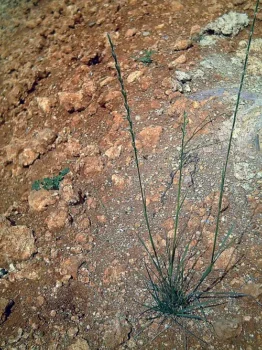
Wimmera Ryegrass: A Non-Native Grass for Agricultural Use
If you’ve stumbled across Wimmera ryegrass (Lolium rigidum) in your gardening research, you might be wondering whether this annual grass deserves a spot in your landscape. While it’s not your typical ornamental choice, understanding this introduced species can help you make informed decisions about your garden and recognize what might be growing wild in your area.
What is Wimmera Ryegrass?
Wimmera ryegrass is an annual grass that belongs to the Poaceae family. This non-native species has made itself at home across several U.S. states and parts of Canada, where it reproduces spontaneously in the wild. Originally from the Mediterranean region, this grass has adapted well to various North American climates.
You might also encounter this plant under several scientific synonyms, including Lolium loliaceum and Lolium perenne subspecies rigidum, which can make identification a bit tricky for the average gardener.
Where Does It Grow?
Wimmera ryegrass has established populations across a diverse range of states, from the desert Southwest to the Gulf Coast. You’ll find it growing in Arizona, California, Louisiana, Mississippi, Missouri, Oregon, and Texas, as well as Manitoba in Canada. This wide distribution speaks to its adaptability to different climatic conditions.
- Species observed
- No observations
Physical Characteristics and Growth Habits
This bunch-forming grass grows rapidly and can reach up to 3.5 feet tall at maturity. Here are its key characteristics:
- Growth form: Erect, bunch-type grass
- Height: Up to 3.5 feet
- Growth rate: Rapid
- Active growing season: Fall, winter, and spring
- Foliage: Green with medium texture
- Flowers: Small, yellow, and not particularly showy
- Seeds: Brown and produced abundantly in spring
Growing Conditions
Wimmera ryegrass is quite particular about its growing conditions, which helps explain why it’s more common in agricultural settings than ornamental gardens:
- Soil: Adaptable to coarse, medium, and fine-textured soils
- pH range: 5.5 to 7.5
- Moisture: High water requirements
- Fertility: Needs high fertility soils
- Sun exposure: Full sun (shade intolerant)
- Temperature: Minimum temperature tolerance of 12°F
- Precipitation: Requires 15-60 inches annually
USDA Hardiness Zones
Based on its temperature requirements and current distribution, Wimmera ryegrass is best suited for USDA hardiness zones 8-10, though it can survive in slightly cooler areas with proper conditions.
Should You Plant Wimmera Ryegrass?
For most home gardeners, Wimmera ryegrass isn’t an ideal choice for ornamental landscaping. Here’s why:
- Limited aesthetic appeal compared to native ornamental grasses
- High water and fertility requirements
- Primarily serves agricultural rather than ornamental purposes
- As a non-native species, it doesn’t support local ecosystems as effectively as native alternatives
Better Native Alternatives
Instead of Wimmera ryegrass, consider these native grass alternatives that provide better ecological benefits and often easier care:
- Little bluestem (Schizachyrium scoparium)
- Buffalo grass (Poaceae dactyloides)
- Blue grama (Bouteloua gracilis)
- Switchgrass (Panicum virgatum)
If You Choose to Grow It
Should you decide to grow Wimmera ryegrass for specific agricultural or research purposes, here are some planting and care tips:
- Plant seeds in fall for best establishment
- Ensure soil fertility is high before planting
- Provide consistent moisture throughout the growing season
- Choose a full-sun location
- Seeds are commercially available with about 217,000 seeds per pound
- Expect rapid growth once established
The Bottom Line
While Wimmera ryegrass is an interesting example of plant adaptation and has its place in certain agricultural settings, it’s not the best choice for most home gardens. Its high maintenance requirements, limited ornamental value, and non-native status make it less desirable than many native alternatives that can provide similar functions while supporting local wildlife and requiring less intensive care.
If you’re looking to add grasses to your landscape, explore native options that will thrive in your specific region while contributing to local biodiversity. Your local extension office or native plant society can provide excellent recommendations tailored to your area’s unique conditions.